When Being Safe Begins With You…
As we mark Children’s Protection Week (7-13 September), we are invited to value every child, every voice, and every story — making sure that wherever we are, God’s song is one of safety, welcome, and hope.
Psalm 137:4 – “How shall we sing the Lord’s song in a foreign land?”
As we mark Children’s Protection Week (7-13 September), we are invited to value every child, every voice, and every story — making sure that wherever we are, God’s song is one of safety, welcome, and hope.
Honouring children, honouring God means protecting them — and that takes resilience, heart, and honesty. In recent times, we’ve seen a rise in danger and harm, even in the very places where children should feel safest, surrounded by trusted adults and carers.
That is why Children’s Protection Week calls for the church to take a strong stance.
Since stepping into this new role, my heart has been on a rollercoaster — a daily reality check of just how much work it takes to keep our congregations especially our children safe. A new space that has help flourish my faith formation. I’ve seen firsthand the commitment of the Culture of Safety Team leading the way with trainings, sermons, stepping into conferences alongside our Synod Mission Services: building boundaries, shaping policies, and embedding safeguarding practices so that our congregations can do what they do best — be present with God’s people on the ground.
When we take this seriously, we make space for children to flourish, families to trust, and the Gospel to be lived out in full.
“Who needs to do Culture of Safety training?”
Somewhere along the way, many began to ask this question whether this was really needed — “We do safety at work, isn’t that enough?” “Nothing’s going to happen here, surely”
Short answer: YES — this training matters.
If we are called to lead, nurture, and be the whole people of God, then making safety a priority is not optional. When we equip ourselves and value one another, we create spaces where everyone can move forward together.
Child Protection Week Can Be the Catalyst!
Child Protection Week is the perfect time to start. Make it intentional. Believe that what you do will make a difference.
In this space, push yourself further and explore having more conversations, bring in new ideas, and create more allies. Invite both new and seasoned voices to join the conversation, amplifying others and strengthening the whole community.
Above all, prioritise protection for young people - because when they are safe, they can thrive, and the church can truly reflect God’s heart for justice and care.
From Reflection → Critical Analysis
Why it matters: Personal stories and passions set the scene, but without critical analysis, others may dismiss them as “just feelings.” Using frameworks like child-safe standards, Screening Policys, trauma-informed practice and reading policy’s for responding to concerns of vulnerable people including young people can help bring out your heart behind all these experiences.
Safe spaces need to be defended with more than passion; they need credibility. Bringing in research, statistics, or theological grounding (e.g., child safety data, diaspora studies, scripture on justice and hospitality).
Building safety is not just about single events; it’s about culture. Moving from “I feel” to “We commit.” Developing processes: risk assessments, safeguarding policies, intercultural safety guidelines, peer accountability structures and completing our training. That includes finding a way in which we can support everyone cross the line. That may be language translation, watching resources together and being brave to have conversations and even coming to congregations with plush toys in hand ready to illustrate stories of the right to being valued and protected.
Recognising that safe spaces need constant tending - like a garden, not a one-time project.
From Exclaiming → Equipping
Saying “This is important!” doesn’t shift practice by itself. Real change happens when we equip leaders with tools - training modules, conversation starters, and practical tips that show why action is needed and how to take it.
It also means embedding young people into the process, because their voices and experiences are crucial.
And we must measure impact: How do we know our spaces are becoming safer across cultures?
The real work - the “more” - is in weaving your heart with sharper tools: frameworks, data, structures, and practices that let your passion land, take root, and transform the stories of those you serve.

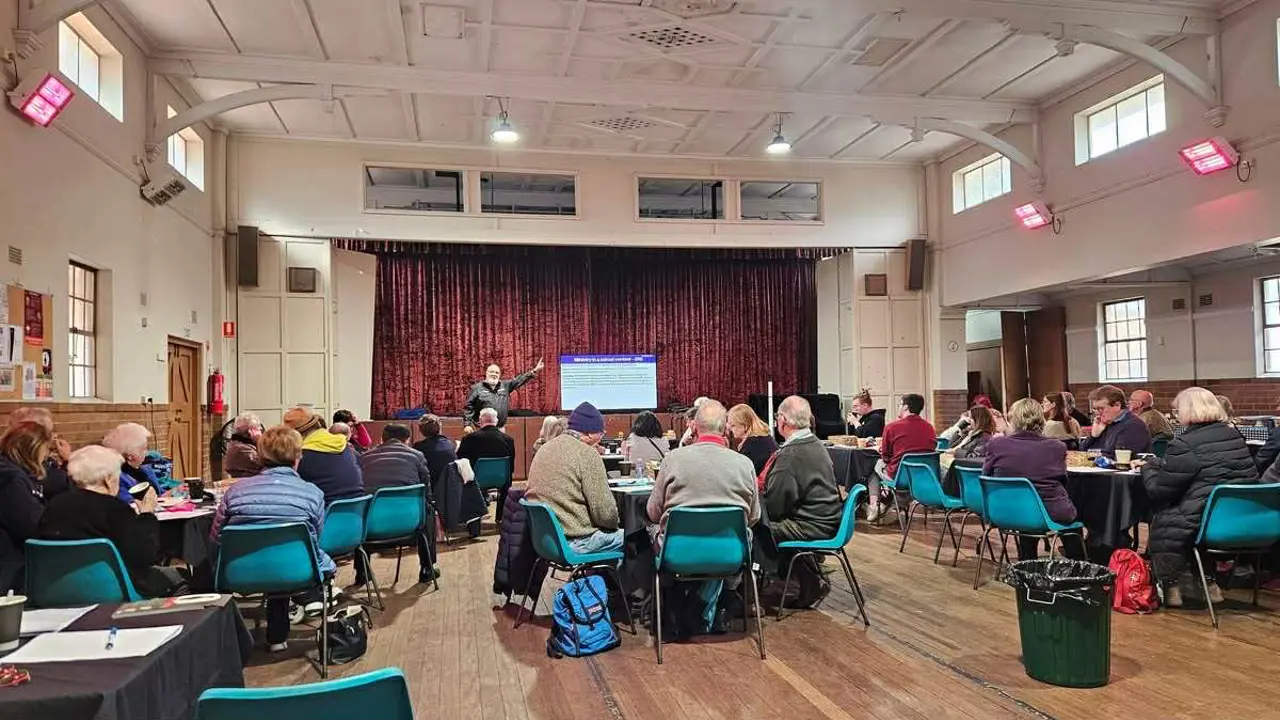
Joyce sharing the Culture of Safety message with Churches across the Synod.
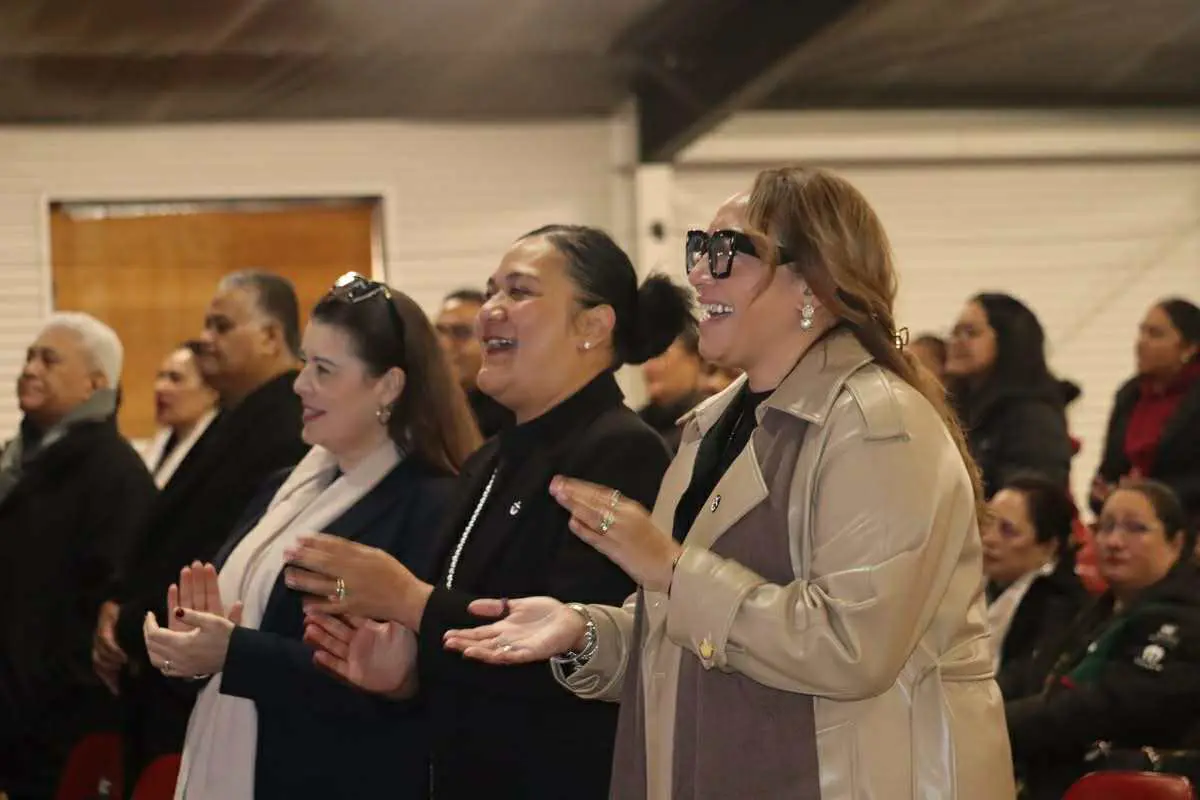
The Tongan National Conference in June.
Building safety is not just about single events; it’s about culture. Moving from “I feel” to “We commit.” Developing processes: risk assessments, safeguarding policies, intercultural safety guidelines, peer accountability structures and completing our training.
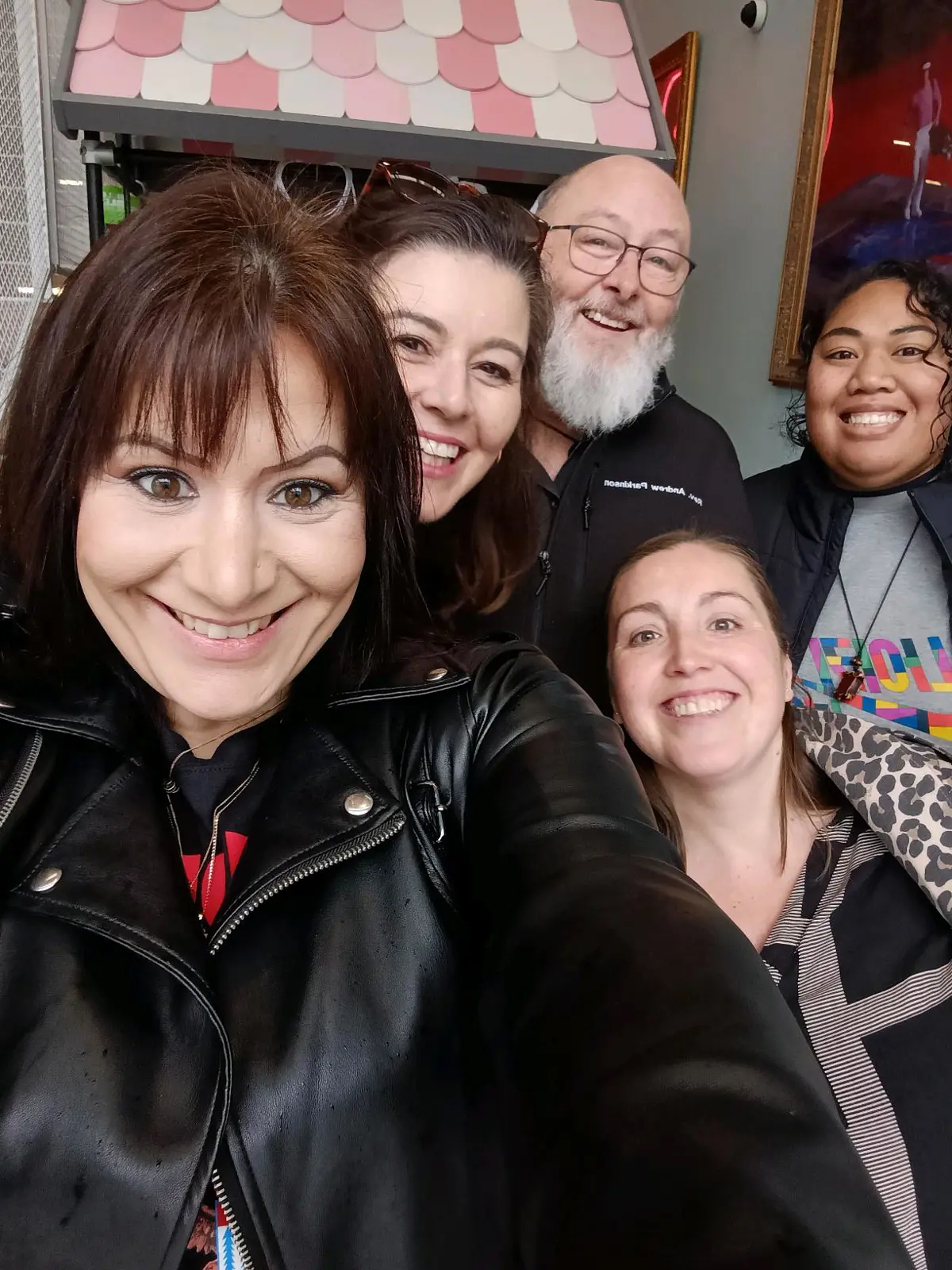
The Culture of Safety team.