Uniting Church Energy Policy forum anticipates themes in federal election result
Just about every poll before the recent federal election suggested that cost of living was the most important issue on voters’ minds, with daylight a clear second. But election results revealed energy policy and climate change, among other issues, were pressing concerns in electorates across the country.
Just about every poll before the recent federal election suggested that cost of living was the most important issue on voters’ minds, with daylight a clear second.
But election results revealed energy policy and climate change, among other issues, were pressing concerns in electorates across the country. If the pollsters had come to the Understanding Energy Policy forum on the Monday evening before the election, they might have picked up on that.
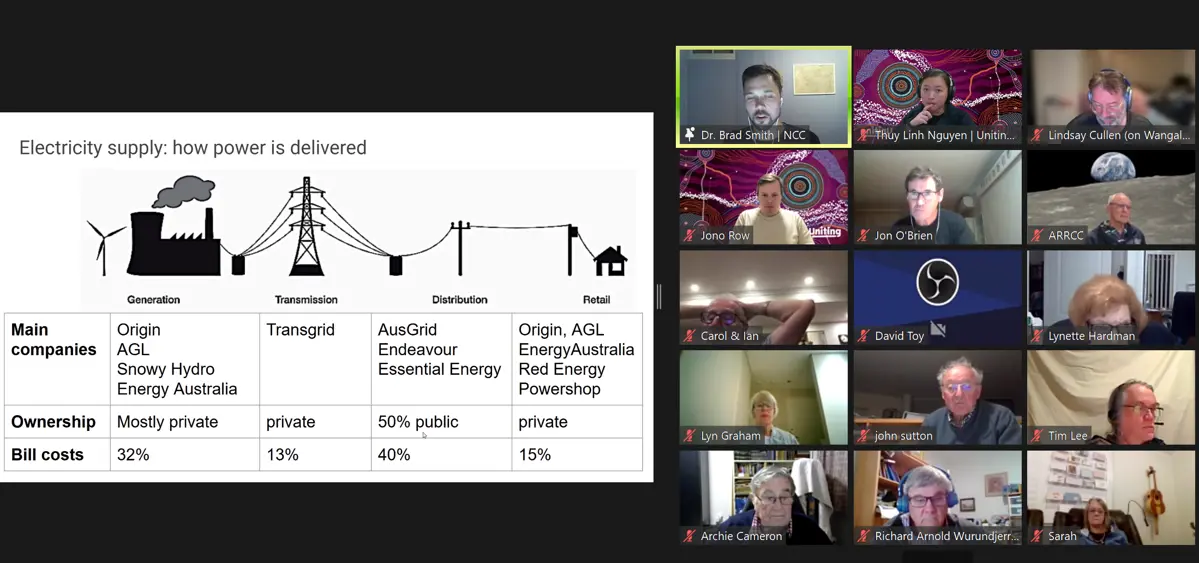
The Understanding Energy Policy forum was co-hosted by the Uniting Church National Assembly and the climate team at Uniting NSW.ACT. Its aim was to explore the energy policies of the major parties and their implications for our energy system, the environment and cost of living. A secondary aim was to affirm that thoughtful engagement in the political process and issues of the day, is not just a privilege but a Christian responsibility.
The forum was promoted in a range of networks and there were about 115 registrations. On the night of the forum, eighty-four people tuned in, an excellent turnout rate for a free online event.
Our first speaker, Rev Lindsay Cullen from Assembly, connected political engagement with our primary Christian calling to love God and neighbour. Politics, he reminded us, is about how we live with one another in society, and how resources are distributed. For the Christian, voting must go beyond thinking how will this policy affect me, to how it will impact my neighbour, keeping in mind that Jesus’ definition of neighbour goes a lot wider than the person next door (Luke 10:25-37).
Our second speaker was Dr Brad Smith from the Nature Conservation Council of NSW. Brad has a PhD in electrical engineering, so knows his stuff. His presentation covered practical aspects, from how to cut power bills, to explaining why power bills go up and down and how the energy system works. Most importantly, he spoke about what we need for a stable and sustainable energy system and how the policies of the main parties stack up in delivering that. As one participant commented, “Brad made a complex subject comprehensible.”
Brad and Lindsay then answered questions from the audience, some sent in beforehand, and others posted in the chat. Questions included:
- the role of batteries both industrial scale and domestic (becoming better and cheaper with exciting possibilities)
- cost of transmission lines and impact on environment (transmission costs have increased but renewables still cheaper; land needed is a tiny fraction of total agricultural land)
- offshore wind turbines (no problem for whales, but birds can be affected - choosing sites matters)
- nuclear power (is emissions free, but expensive – time to build would mean billions of tonnes of extra emissions we can’t afford)
The overriding conclusion was that when cost, impact on nature and total emissions are considered, a future based on renewable energy is the best option.
You can catch the whole forum with Lindsay and Brad’s presentations and all the questions and responses here.
Five days later, when the election results were in, commentors stated that Australia had chosen renewables over fossil fuels and rejected nuclear as a viable option.
The increased majority achieved by government, provides greater certainty for investors and creates a mandate for more ambitious climate action down the track, others have stated.
Anti-renewable sentiment in some electorates didn’t seem to have much effect. The majority of seats slated for possible offshore wind developments saw a swing away from Liberal and National candidates opposing the proposals. Almost all pro-climate action independents were returned, with collectively, a 3.8% increase in their primary vote.
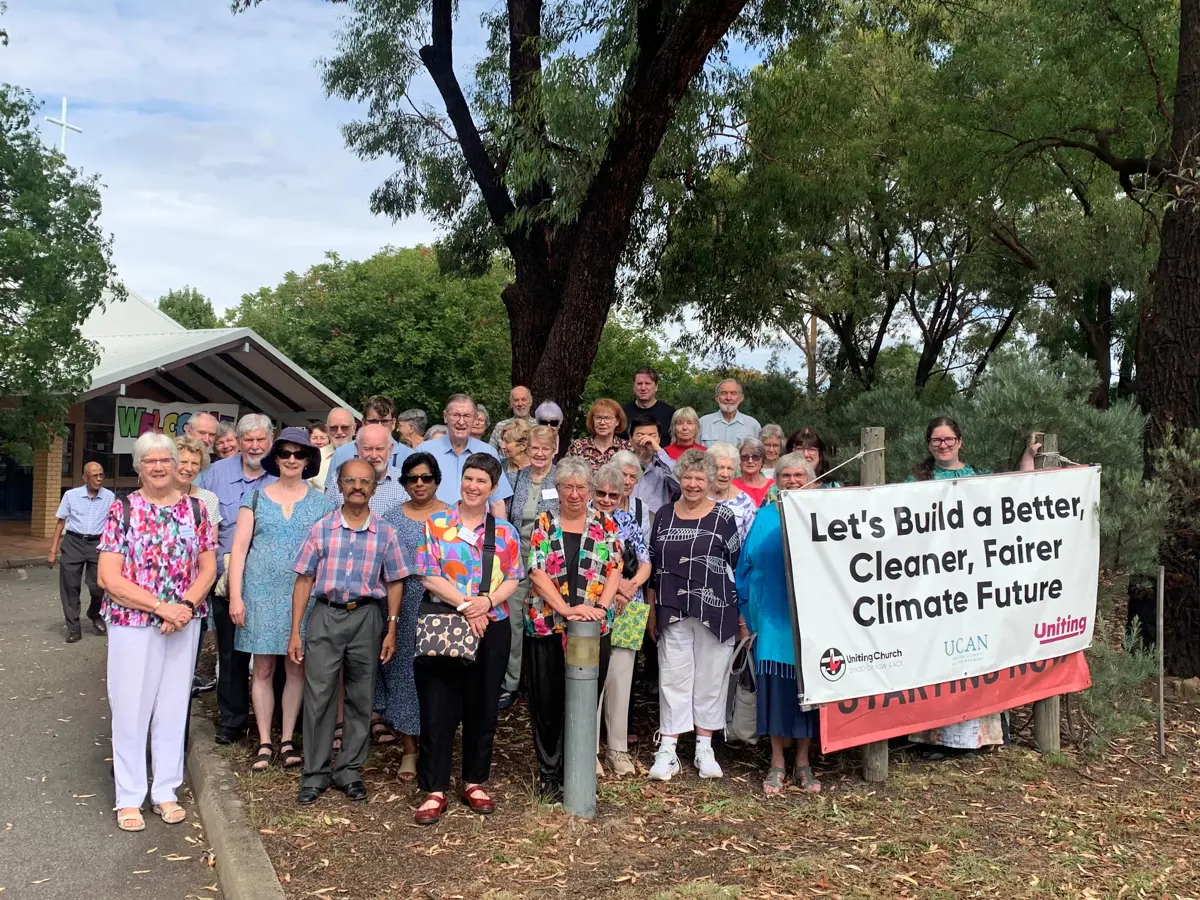
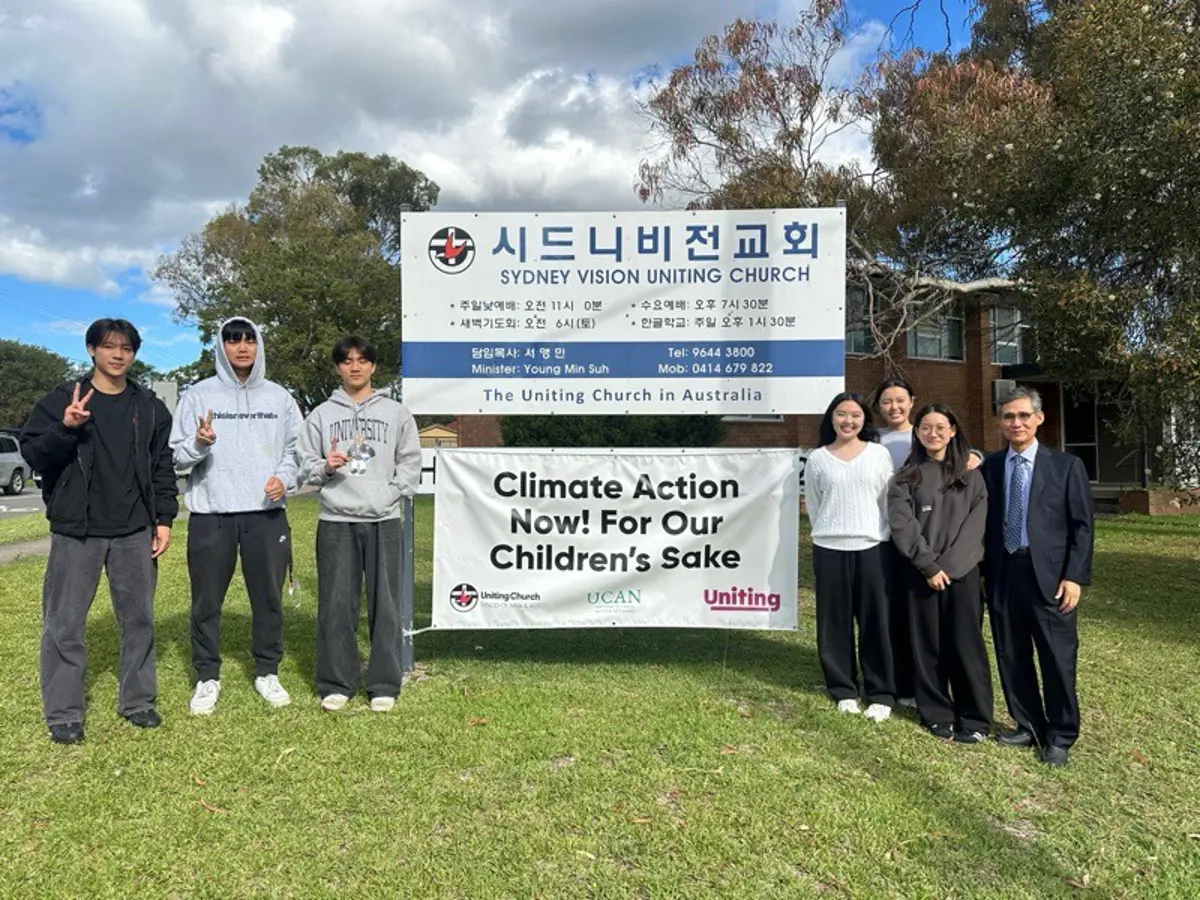
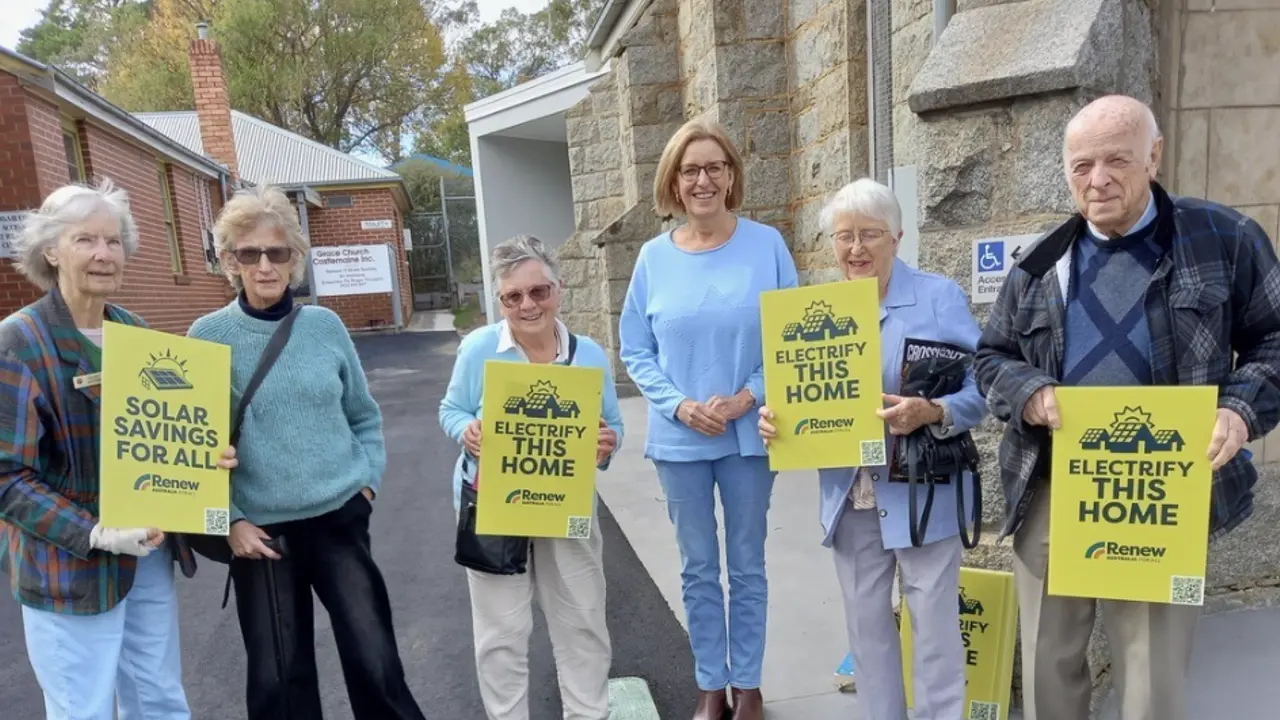
The independent Climate Council suggests there is now a fundamental shift in Australian politics, with commitment to renewables and addressing climate change becoming threshold questions for any party seeking government. No doubt, many factors have contributed to this shift, but the ongoing advocacy of Uniting Church members for positive climate policies, has contributed. For example, 46 congregations across five states and territories took part in the Uniting Climate Action Network month of action leading up to the election. Congregations took a range of steps (hanging a banner, sending messages to their MP, displaying yards signs, attending a candidates’ forum) to let their local MPs and candidates know they want positive action on climate. For those involved this was, as Lindsay Cullen said at our energy forum, part of loving God and neighbour.
Post election policy reviews are underway, especially on the Coalition side of politics. Whether this election result leads to a greater agreement on climate policies by the major parties and a mutual commitment to a renewable future, is uncertain, but many Australians will be hoping and praying that is the case.
Jon O’Brien
Social Justice Advocate
Uniting Climate team