Standing Committee delivers transformative report to Synod 2025
The Synod Standing Committee (SSC) of the Uniting Church in Australia, Synod of NSW and the ACT, has presented its comprehensive report to Synod 2025, reflecting on a term marked by significant reform, faithful discernment, and new initiatives aimed at strengthening the church’s life and witness.
The Synod Standing Committee (SSC) of the Uniting Church in Australia, Synod of NSW and the ACT, has presented its comprehensive report to Synod 2025, reflecting on a term marked by significant reform, faithful discernment, and new initiatives aimed at strengthening the church’s life and witness.
Since Synod 2019’s Growth Resolution and the adoption of Future Directions in 2021, the SSC has steered major projects to shape a courageous, contemporary and growing church. This has included launching strategic church plants, establishing the Growth Fund, and supporting presbyteries through the Presbytery Project and Stewardship Summits. The SSC’s work has also been guided by the Synod’s purpose: Serving the Church to make a Jesus-shaped difference in the world, built on shared values of integrity, respect, compassion and collaboration.
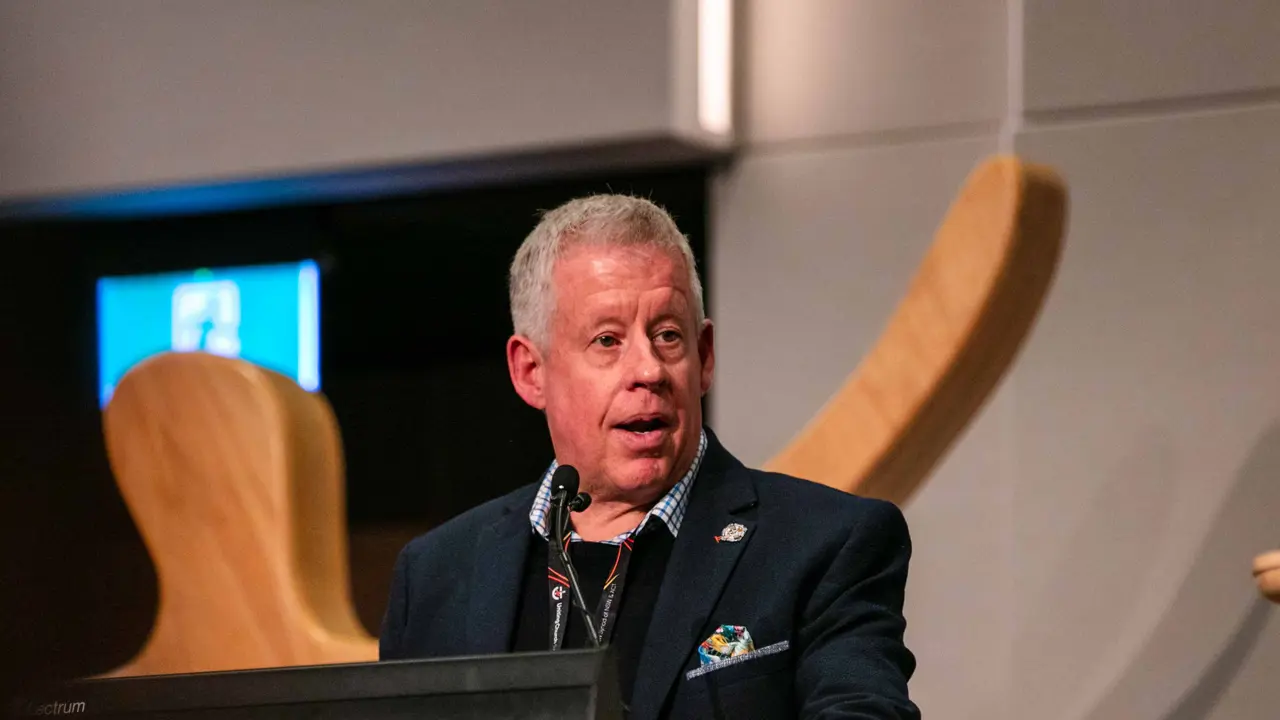
"We are physically present in a space where we're helping build the Kingdom of God. This means we need to invest in the future and trust in the direction we're being led. It's natural for people to feel fear or think in terms of scarcity when it comes to finances. But I can tell you how we manage our finances, there is no fear or scarcity in what we do, because we trust in God's abundance”, said Neil King, who has recently been appointed as the new member of the Synod Board.
The report identifies key ecclesial and resourcing challenges. Among these, the decline of congregational life remains a critical concern, with less than 60% of ordained ministers serving in congregational placements. The SSC highlights the urgent need to revitalise congregations, reform placement processes, and rebuild trust across councils of the church.
At the same time, the SSC has explored how to better use the church’s “Common Wealth” — its shared resources — so that funding supports mission in every part of the Synod, rather than remaining “stagnant” or inaccessible. Congregations are encouraged to embrace new partnerships and creative use of property to support ministry and community engagement.
Across 11 meetings from September 2023 to June 2025, the SSC has overseen and engaged deeply with a range of initiatives:
-
The Walking Together Action Plan (WTAP) continues to guide the Synod’s covenanting journey with First Peoples, including new cultural learning modules, local “Walking on Country” events, and financial commitments to UAICC programs.
-
In justice advocacy, the Synod is supporting campaigns to raise the age of criminal responsibility and leading efforts for meaningful gambling reform, including broad civil society coalitions and congregation engagement.
-
The Presbytery Project and Year of Discernment have produced a proposal for healthier, more sustainable presbyteries and collaborative resource models.
-
The Synod’s commitment to multicultural ministry is being lived out through intercultural training, partnerships, and support for PALMS workers.
-
The SSC has supported new church plants in locations including Maitland, Molonglo Valley and parts of Sydney, marking fresh expressions of the church’s mission.
-
Other areas of focus include revised processes for lay ministry pathways, formation and ordination; affirming the life and witness of Saltbush in rural ministry; and oversight of community service ministries that extend the church’s reach into local communities.
The SSC has also responded to governance needs by updating the Synod By-Laws, reviewing the function of the Synod Board, and developing a new accommodation strategy to move the Synod Office and United Theological College to Parramatta CBD by 2030.
Throughout its work, the SSC has prioritised theological reflection and formation, drawing inspiration from leaders such as Bishop Robert Schnase and historic reflections like Davis McCaughey’s addresses. It has also reflected deeply on moments of tension, such as mediation challenges with Sydney Presbytery, acknowledging pain and recommitting to rebuilding trust.
In delivering its report, the SSC emphasises the continuing journey towards the Future Directions vision — to Activate, Transform, Amplify, Simplify, Liberate and Unite — as the Synod seeks to be a church shaped by hope, courage, and faithful witness in a changing world.