Small Congregation, Big Thinking - A Church at the Heart of Its Community
What can a small congregation achieve when it looks beyond its own membership, embraces partnerships and thinks creatively about the resources available to it?
What can a small congregation achieve when it looks beyond its own membership, embraces partnerships and thinks creatively about the resources available to it?
At Sawtell Uniting Church, the answer is quite a lot!
For nearly 30 years, this relatively small, lay-led congregation has been putting its vision of being “The Church in the Community” into practice, creating opportunities for people to connect, building lasting relationships and becoming an integral part of village life.
And behind its extensive community engagement lies a fresh approach: you don’t have to have all the expertise or do everything yourselves to make a meaningful difference.
A vision that shaped a church
Sawtell’s community focus began in the late 1990s, when Rev John Thornton and the congregation were planning their new church building. They deliberately chose a multipurpose design, creating a space that could accommodate worship alongside a wide range of community activities.
Their intention was never to be a church set apart from the community, but one actively involved in its everyday life.
That vision has taken many forms. One of the earliest initiatives was providing tea, coffee and Anzac biscuits following the local Anzac Day dawn service. For many years, the congregation also hosted Christmas lunches for people who would otherwise spend the day alone.
In 2006, under the guidance of Rev Richard Harris, Sawtell’s Carols by Candlelight began, eventually growing into the largest event of its kind on the Coffs Coast. Today, around 3,000 people gather on the village green each Christmas for this much-loved community celebration.
These initiatives reflect something central to Sawtell’s philosophy: community ministry isn’t confined to what happens inside the church building, nor does it have to originate within the congregation itself.
Partnerships make more possible
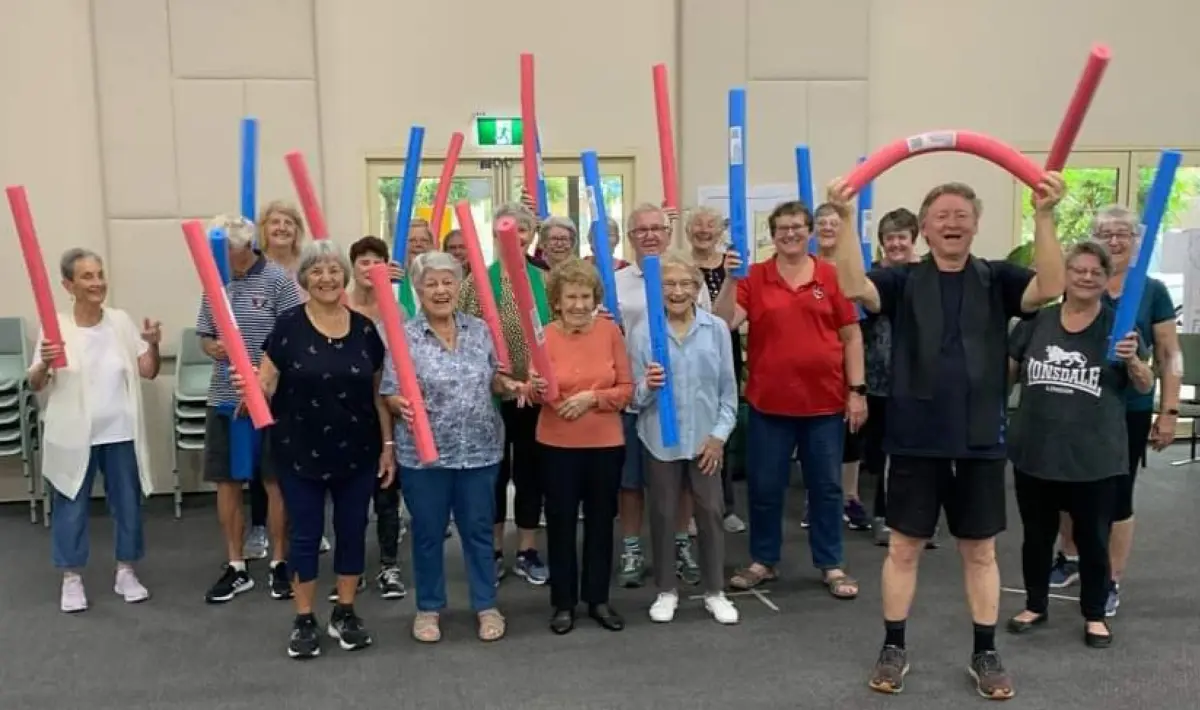
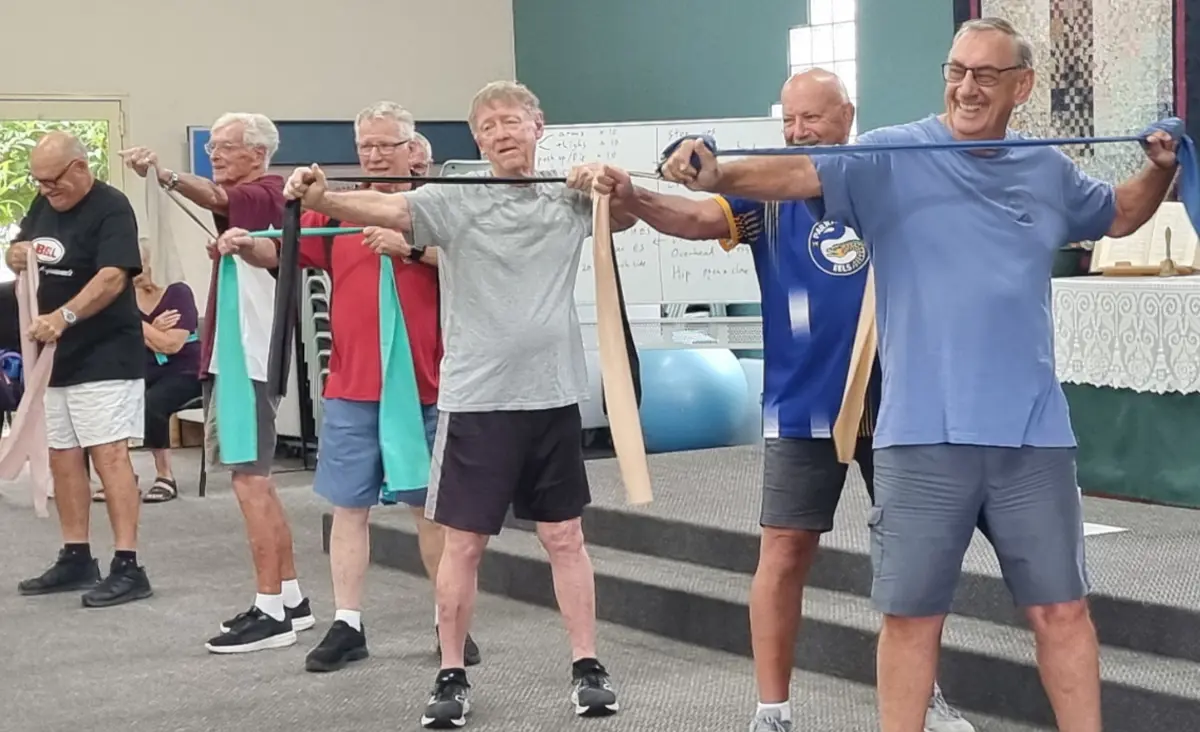
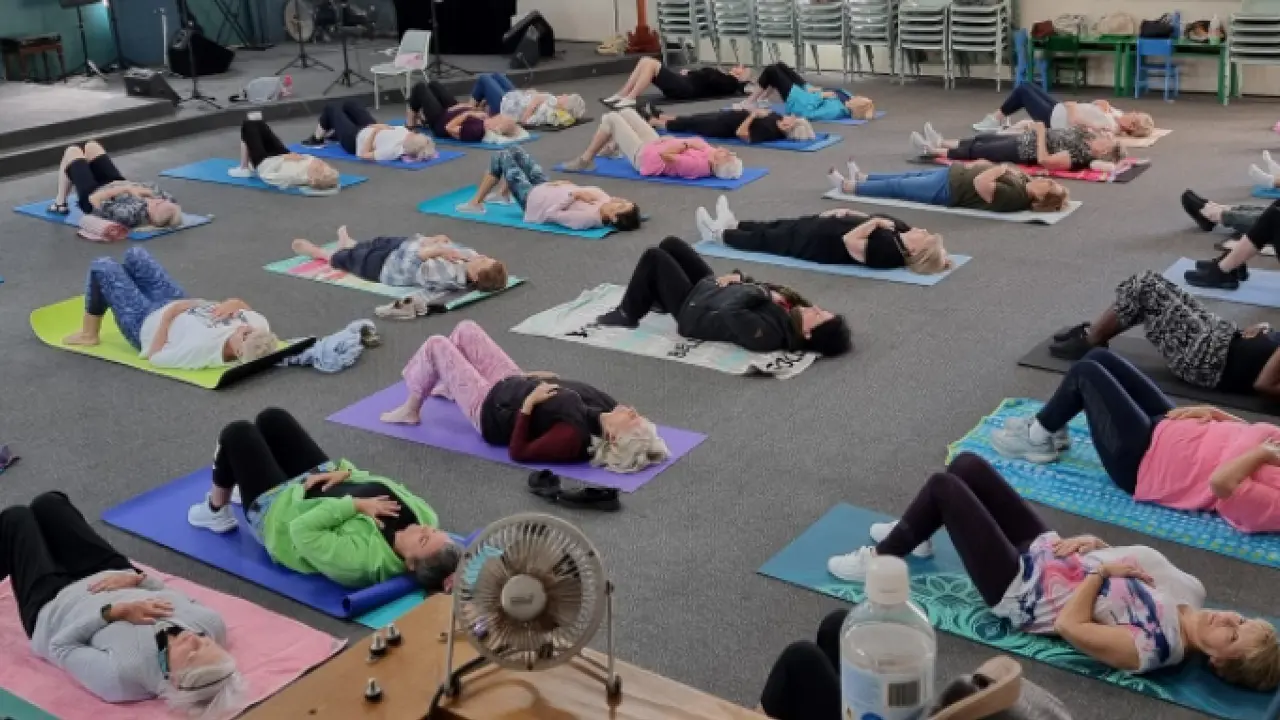
One particularly effective example of Sawtell’s creative approach is its UUFIT program, which has been running for more than a decade.
Recognising the value of affordable exercise and social opportunities, the congregation established a business arrangement with a local physiotherapy practice. The practice provides a qualified exercise physiologist to lead classes at $180 per session, while participants pay just $6 each, with numbers capped at 30. The arrangement also provides insurance coverage through the physiotherapy practice.
The church doesn’t seek to profit from the program and is prepared to subsidise activities where necessary. Instead, it uses its facilities and resources to make professional services accessible to the community.
Other activities, including mahjong and table tennis, are supported by volunteers, while rental income from a church-owned property helps cover cleaning and maintenance costs.
It’s a practical example of how a small congregation can extend its reach without expecting its members to possess every skill or shoulder every responsibility.
Good ideas, thoughtful decisions
Importantly, Sawtell’s community activities aren’t simply the result of enthusiasm and goodwill. The congregation takes a considered approach to new ideas, recognising that even worthwhile initiatives need to be manageable and sustainable.
When someone proposes an activity, they are asked to complete a standard assessment form identifying genuine community interest, the time and resources required, who will take responsibility, the impact on existing programs and how success will be measured.
This process has helped avoid potential difficulties and ensures that new activities are carefully considered before commitments are made.
For a small congregation, it’s a particularly valuable discipline, balancing a willingness to try new things with responsible stewardship of people, property and finances.
Where community becomes connection
While careful planning and partnerships make these activities possible, it’s the relationships they create that matter most.
Through UUFIT, people have formed friendships that extend well beyond the classes, often gathering for coffee afterwards or meeting at other community activities.
One participant reflected:
“This church opened its doors and hearts to people. I felt really welcome.”
Another, after attending UUFIT for three years, began joining Sunday worship with her husband and mother. By then, the church was already a familiar, welcoming place.
Sometimes the simplest activities create the strongest connections. A suggestion to hold a monthly afternoon tea has become a much-loved gathering, regularly attracting 30–40 people. Tables are decorated with embroidered cloths and flowers, a traditional church afternoon tea is served, and everyone is welcome. There’s no charge and no need to book.
Increasingly, people are bringing friends who haven’t previously participated in church activities. What began as a simple social gathering has developed into an informal network of friendship and support.
Many regular participants now regard the church as their place, willingly helping with food, cleaning up and equipment. That sense of belonging also extends to supporting others, with community members generously contributing to fundraising initiatives for homelessness services, foodbanks and other charitable causes.
Thinking beyond the Pews
Sawtell’s story isn’t about having a large congregation or unlimited resources. In fact, its members are very conscious of their size and the need to share responsibilities carefully.
The congregation does benefit from a flexible building, a central village location and rental income that supports property maintenance. But perhaps its greatest strength is the way it thinks about ministry.
Rather than focusing solely on what congregation members can provide, Sawtell has been willing to listen to its community, welcome ideas from outside the church, develop partnerships, engage professional expertise and involve participants in the life of the place.
Their advice to other congregations is practical: ask people what they need, assess ideas carefully, make the most of available resources and recognise that building genuine relationships takes time.
Sawtell’s experience is a reminder that a church’s capacity to serve its community isn’t necessarily determined by the number of people in its pews. Sometimes, it’s about recognising the possibilities beyond them — and having the vision, planning and openness to bring people together.