Rev. Jane Fry’s Legacy: Leadership, Trust, and Real Change in the Uniting Church Synod of NSW and ACT
As Rev. Jane Fry steps down as General Secretary of the Uniting Church Synod of NSW and the ACT, she leaves behind more than a job title. She leaves a Church shaped by bold ideas, honest reflection, and a willingness to do hard things for the sake of its future.
As Rev. Jane Fry steps down as General Secretary of the Uniting Church Synod of NSW and the ACT, she leaves behind more than a job title. She leaves a Church shaped by bold ideas, honest reflection, and a willingness to do hard things for the sake of its future.
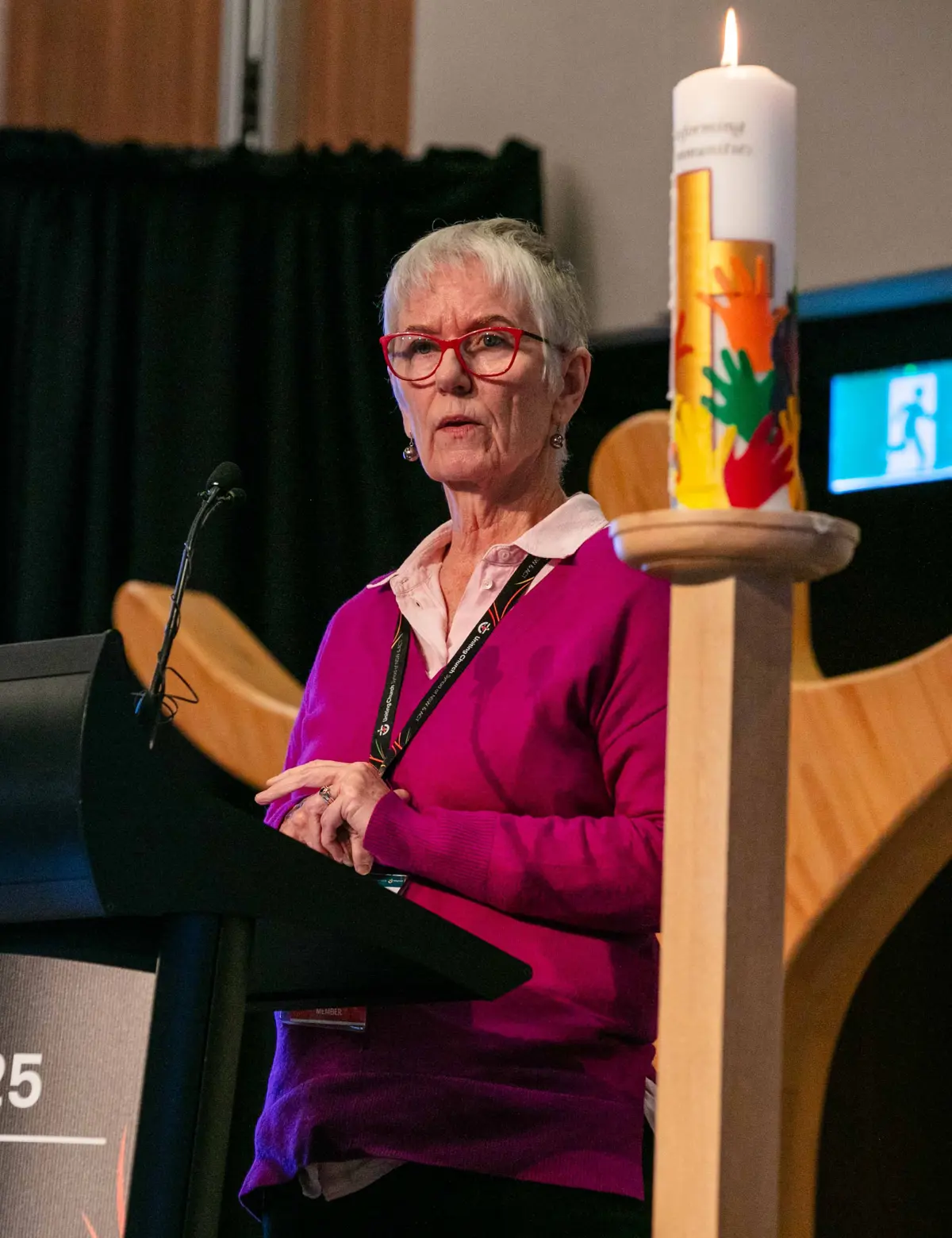
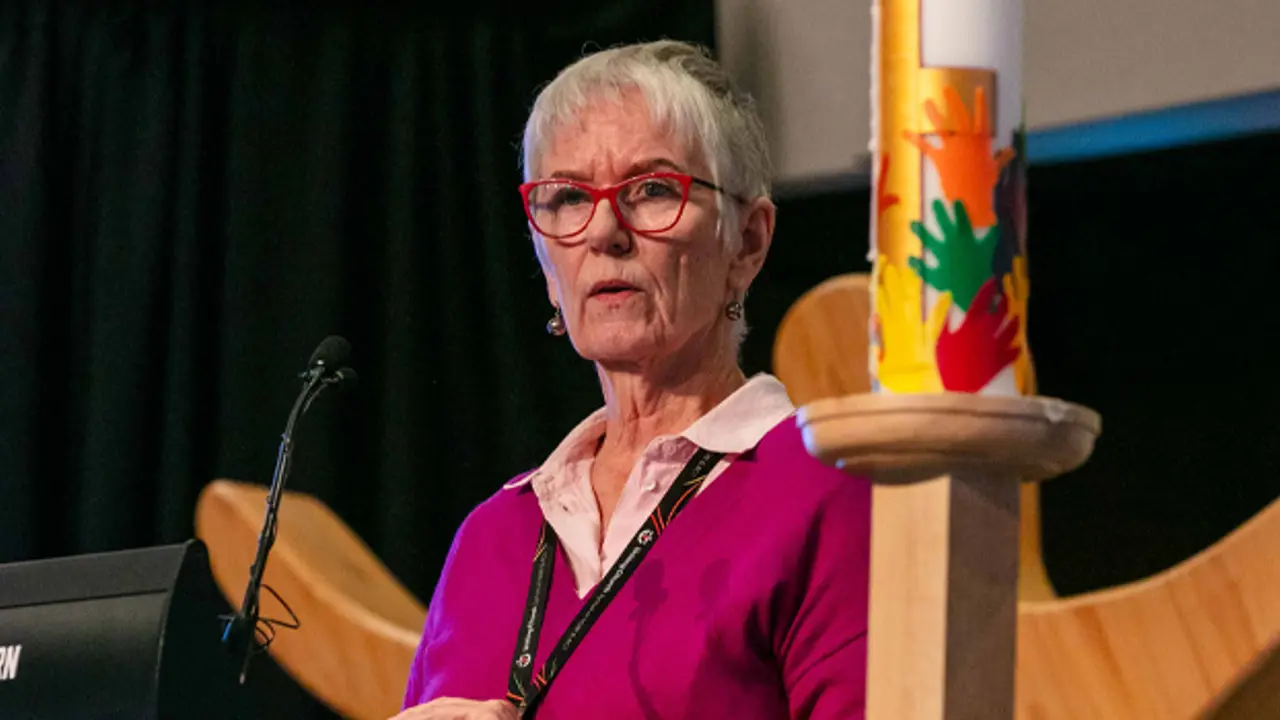
"This is my last Synod as the General Secretary." said Rev Jane Fry as she addressed the room. "I have been in this role for five Synods and it has been a learning journey, mostly uphill, occasionally vertical."
Since 2019, Rev. Fry’s leadership has been at the centre of major changes in how the Synod works, thinks, and serves. The Synod Standing Committee report to Synod 2025 shows just how far that journey has come - and what still needs to happen next.
At the Synod meeting she talked about a mantra that helped her to deal with particularly interesting people, challenging circumstances or intractable problems as the General Secretary. " The mantra is 'God's got this'!"
One of Rev. Fry’s defining contributions was helping the church reimagine itself for growth. The 2019 Synod resolution committed the Church’s councils - from congregations to Synod - to reorganise for deeper relationship, stronger discipleship, more impact, and a renewed sense of purpose.
"The proposal in 2019 kicked off an enormous transformation in the life of this church, and it was in direct response to decisions made by this council. It was the Synod, my world getting ready to support a courageous, contemporary, growing church."
This led to the Future Directions framework, adopted in 2021, which now guides everything the Synod does. Its vision is for a courageous, contemporary, growing church which prioritises rural and regional ministry, Walking Together with First Peoples and the covenant with Congress , ministry with younger people and those in the first third of their lives, environmental advocacy and action, and working with Presbyteries to stimulate growth in and through congregations. It also prioritises better governance, smarter use of resources, and unity across the Synod.
Rev. Fry didn’t just champion these goals - she worked to embed them. Under her leadership, the Synod embarked on the Presbytery Project, the Stewardship and Discernment Summits, and new resourcing models like the Growth Fund. These weren’t theoretical shifts. They aimed to meet the actual struggles of local churches: shrinking numbers, tired leaders, and complex compliance demands.
Rev. Fry doesn’t sugar-coat the challenges. The biggest? Congregations are struggling, and the systems meant to support them aren’t always working.
Rev. Fry is clear that Presbyteries, while important, can’t solve this alone. The health of congregations depends on more than good governance. It needs healthy leadership, both lay and ordained. But less than 60% of ordained ministers in the Synod serve in congregations. That gap isn’t just about money or placements. Rev. Fry argues it reflects a deeper confusion in the Church about what ordained ministry is—and why it matters.
Questions have been raised about trust. Trust between Synod and Presbyteries. Between leaders and local churches. Without trust, no structure or strategy will work. That’s why Rev. Fry has supported reforms to make the Synod Standing Committee more representative and accountable, especially if the Church moves to a three-Presbytery model.
Another legacy of Rev. Fry’s time as General Secretary is her constant focus on stewardship - not just of money, but of relationships and mission.
Rev. Fry often spoke frankly about the Synod’s financial reality: expenses are outpacing income. The Church has significant assets, but they can’t be used to patch short-term gaps. Instead, she argued, we need new models that generate income while freeing up congregations for ministry. This includes creative use of property and better resourcing for those doing the hard work on the ground.
Her metaphor is simple: too much of the Church’s “common wealth” is sitting in closed dams. What’s needed now is flowing water—streams that reach every corner of the Church’s life.
Fry’s tenure as General Secretary has been marked by steady leadership through uncertain times. The Church navigated COVID, cultural change and financial stress.
Through it all, she kept asking the hard questions and holding the Church to its own values, but also never looked in the rear view mirror, looking forward and always acknowledging that God is in the details.
"We all have to contemplate and consider what we want to carry into our future."
Her legacy is not a finished project. It’s a path forward—one marked by courage, clarity, and a deep belief that the Church can still make a 'Jesus-shaped difference in the world.'
"Thank you for having me as General Secretary for the last nine years," Rev. Fry said at Synod ."If I say it's been an awful privilege, I hope you understand what I mean. It is a weighty role, and I am looking forward to handing it over into the hands of the next General Secretary".
Rev. Fry hands over the role to Rev. Dr. Peter Walker with a Church more aware of its problems—and more willing to face them.
That, in itself, is a legacy worth naming.