Lay Leaders Gather for Incarnate
What does it mean for Christ to be incarnate? And what does it mean for Christ’s incarnation to continue in the worship, witness, and service of the Church?
What does it mean for Christ to be incarnate? And what does it mean for Christ’s incarnation to continue in the worship, witness, and service of the Church?
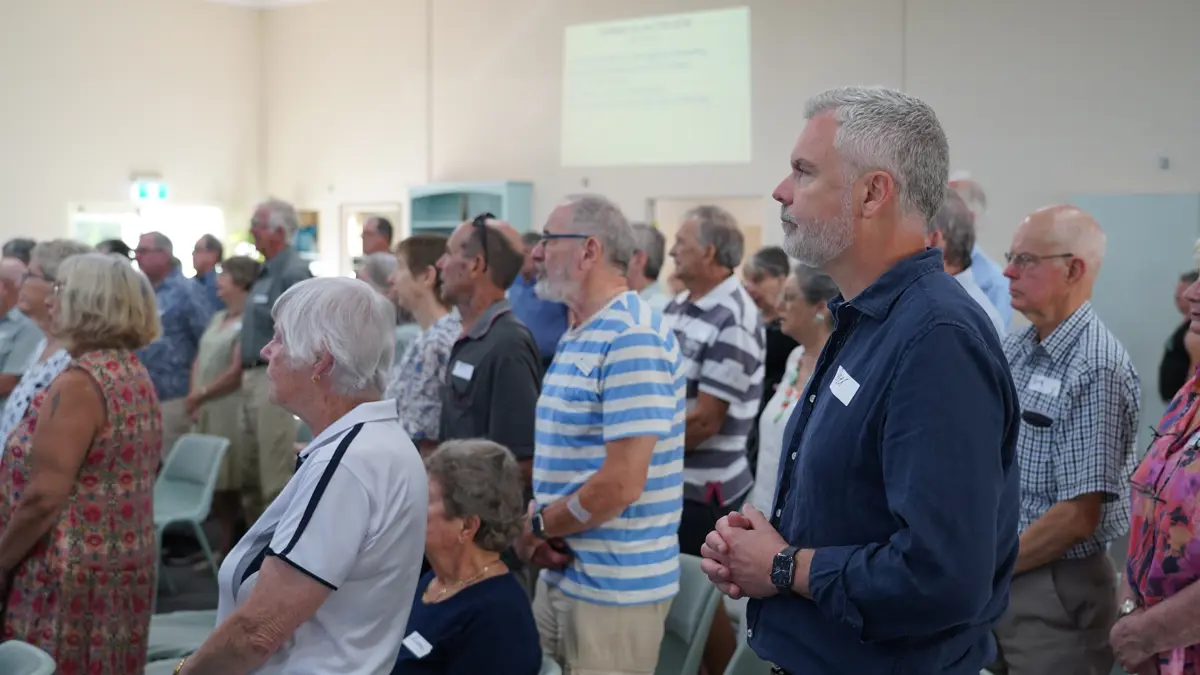
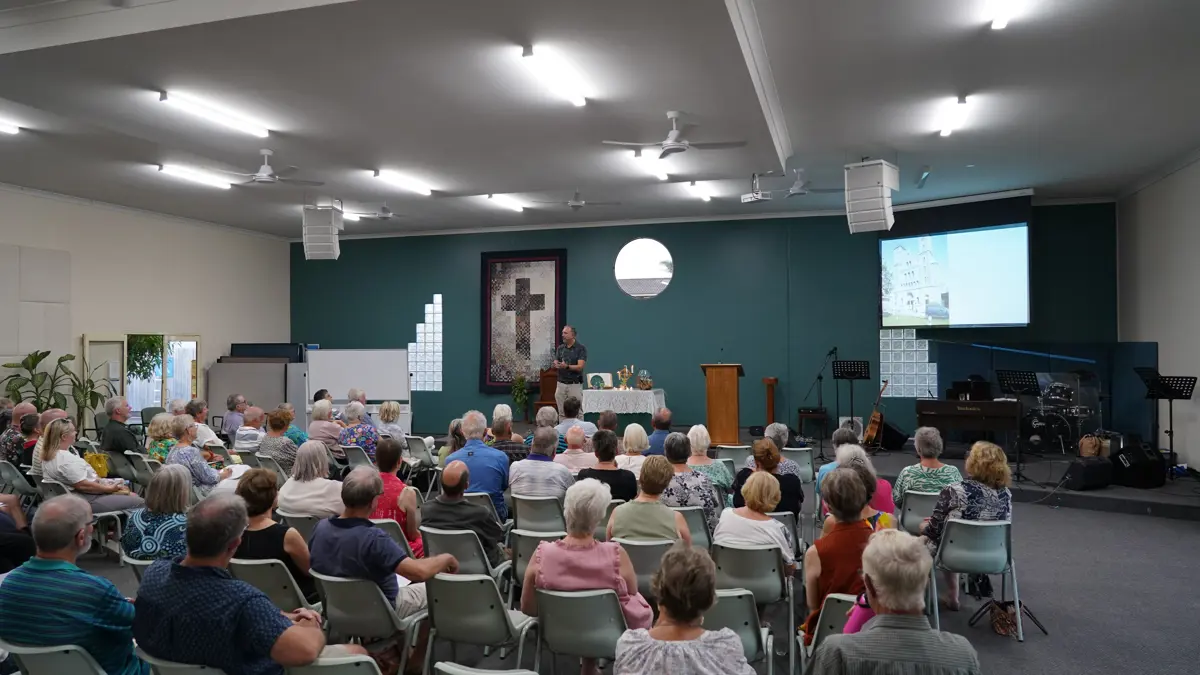
These are the questions around which seventy lay leaders gathered at the first-ever Incarnate event on 28 February-1 March 2025, hosted by the amazing people of Sawtell Uniting Church.
A partnership between the Mid North Coast, Far North Coast, and New England North West Presbyteries and the NSW/ACT Synod, Incarnate focused on equipping lay leaders and empowering “lay leadership for renewal.”
More than half of the UCA congregations in NSW/ACT are now led by laypeople. Lay leadership is not merely the future of the church, it is its current reality. Everywhere I go in the Synod, lay leaders ask for more opportunities for education, training, and empowerment. These leaders are passionate, faithful, and committed to God’s mission in the world. Yet they often feel ill-equipped and isolated. And at present, I am the only staff member in the Synod focused solely on lay ministry education.
Our first Incarnate gathering was an attempt to offer a training event focused on laypeople in their own backyard. We hope that, after the success of this first event, to partner with more Presbyteries to offer similar events on a regular basis.
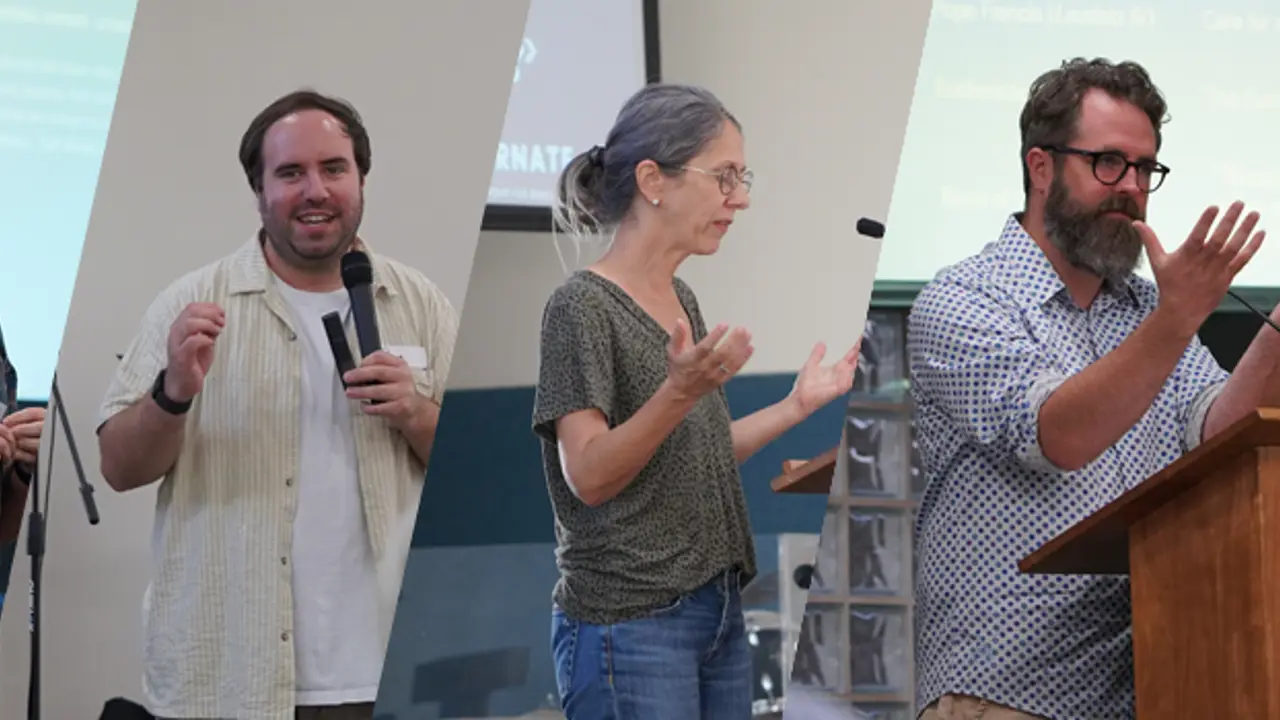
The gathering opened with worship led by Rev Claire Wright and Rev Dr Niall McKay. This was followed by a session by Rev Ben Gilmour which drew our attention to the theme of incarnation. Ben explored the many dimensions of the incarnation, including the diverse understandings across denominations and what it means for us as the Uniting Church. It was an excellent foundation for our gathering, giving us a sense of the enormity of what it means for the Son of God to have come in human flesh.
The following morning, Rev Dr Karina Kreminski talked about what she calls “soft evangelism,” an approach to proclaiming the gospel she suggests is well-suited to the Uniting Church. Weaving together her insights with beautiful stories from her own neighbourhood, Karina challenged us to reclaim evangelism, but in a way that is appropriate to our contexts and demonstrates love for those around us. (Karina has an article of soft evangelism in the upcoming edition of Uniting Church Studies.)
I was the next presenter, running a workshop on “Worship in the Wilderness.” I suggested that we live in a society afflicted by loneliness and isolation, and in which we have become disenchanted and disconnected, our view of the world having become mechanised and essentially dead. Nonetheless, we have retained a deep desire for communion—with others, with ourselves, with the world, and with God who is the divine Source of all. Worship is crucial, then, since it is an essential way in which we enter into the communion that each of us naturally seeks and from which we find ourselves alienated in our modern world. Finally, I offered some practical guidance in leading worship and preaching for lay leaders feeling overwhelmed by the task.
David Toogood from the Pulse Team then ran a workshop on “Reaching Young People.” In it he showed how recent research has revealed that Gen Z (roughly 13-28 years old) are more open to spirituality and to hearing about Jesus Christ than have been previous generations. David argued that now was the time to be more bold in our proclamation of the gospel, particularly among young people. People found this talk inspiring and hopeful, taking an opportunity opened by David to pray for young people in their communities.
Our final workshop was led by Rev Dr Peter Walker, principal of United Theological College. Peter spoke about “What is the Purpose of the Church?” His was a perfect session to wrap up all that had been said about worship, witness, and service in the preceding twenty-four hours, focusing our attention on the nature of the Church and on the call it has received in Christ. This was followed by a time of questions and comments from those gathered where they shared the curiosities, inspirations, and wisdom that had struck them during Incarnate.
All in all, it was an incredible time of learning, fellowship, worship, and growth. The message from those gathered was clear: more events like this, please. Apart from the content, people expressed gratitude for the opportunity to gather and simply to be together. One group of participants sent me the following reflection on Incarnate this week:
Across the region, our churches strive to embody the love of Christ in worship and practical action. Our lay leadership has stepped up to ensure this continues when we lose ordained ministers. The Incarnate program was incredibly valuable for many reasons. The presentations delivered a deeper understanding of the theology that informs our faith, and some new angles on how we can express and share the gospel through meaningful dialogue and building relationships. The weekend brought together lay leaders from across the region, and … we all came away much better informed about how each congregation is addressing their individual situations.
We learned so much, and appreciate being given the opportunity to engage in dialogue and an exchange of ideas at a level not often available outside of Sydney.
My hope is that we can forge more partnerships between Presbyteries and Synod to bring Incarnate to other regions of NSW/ACT. To repeat myself: lay leadership is not the future of the UCA, it is its current reality. May we see more opportunities to love and serve our wonderful lay leaders as they serve Christ and their communities.
Our first Incarnate gathering was an attempt to offer a training event focused on laypeople in their own backyard. We hope that, after the success of this first event, to partner with more Presbyteries to offer similar events on a regular basis.