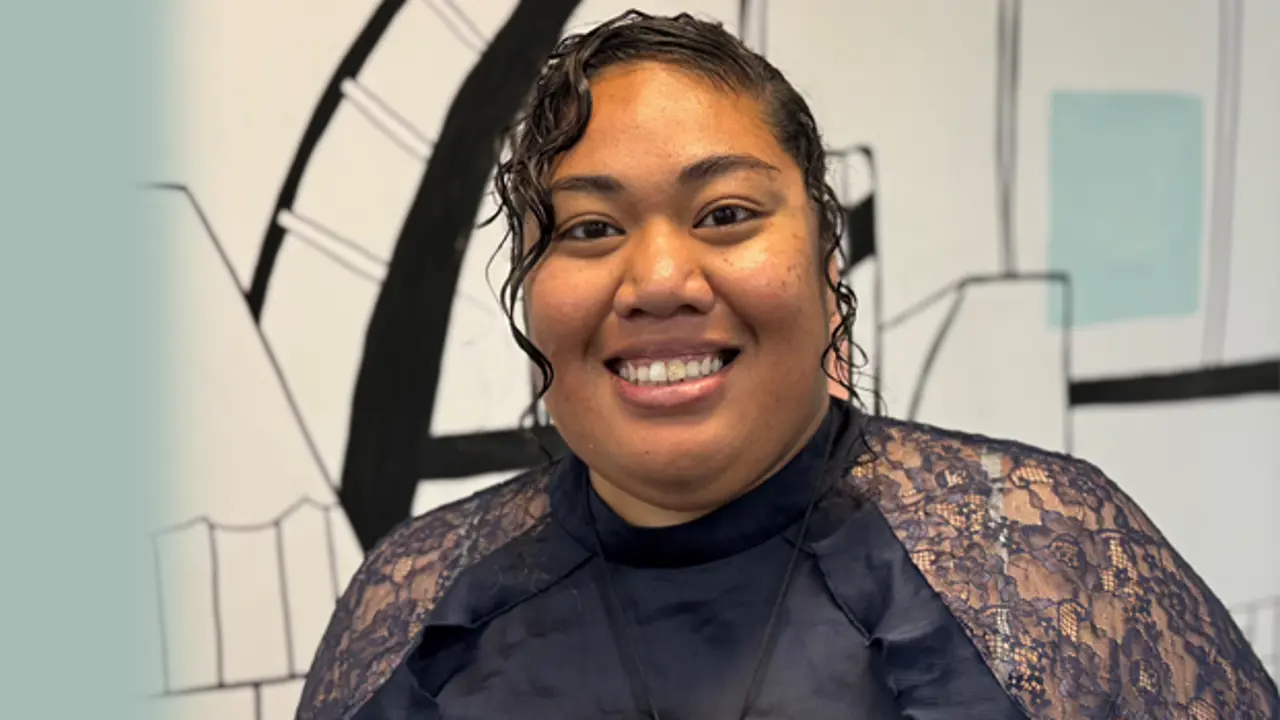
Joyce Tangi: Safety as a Sacred Practice
Joyce Tangi isn’t interested in rules for the sake of rules, or policies that gather dust. As Culture of Safety Pastor for the Uniting Church Synod of NSW and ACT, Joyce is passionate about how culture shapes how we treat one another.
Joyce Tangi isn’t interested in rules for the sake of rules, or policies that gather dust. As Culture of Safety Pastor for the Uniting Church Synod of NSW and ACT, Joyce is passionate about how culture shapes how we treat one another.
Joyce recently spoke with Will Small on the Spiritual Misfits podcast explaining that safety is really about demonstrating God’s love. Not vague, feel-good love—but love that shows up in relationships, in systems that protect the vulnerable, and in the simple act of listening well.
Joyce explains that a culture of safety starts with people. Systems and policies matter, of course, but without care and connection, they often feel cold and even harmful. She’s seen how overly bureaucratic processes can actually alienate people. But when those same systems are built on trust and mutual responsibility, they can be spaces where people grow. Growth and relationship are key priorities for Joyce in her work.
She also talks openly about power. When there are imbalances—based on age, race, gender, or authority—someone always ends up getting hurt. Joyce wants churches to be honest about this. Who gets heard? Who gets ignored? And what would it look like to set up structures where everyone gets a say, especially the ones who are often left out?
One of the most powerful things Joyce says is that listening—really listening—can be an act of safety. You don’t have to have the right answers. You just have to be present, willing to hear someone’s story without interrupting or correcting them. That kind of listening helps people feel seen and less alone.
Joyce also brings her Tongan heritage into the conversation. Her culture shapes the way she understands belonging. She believes churches should welcome the full range of cultural stories and traditions, not just tolerate them. When people can bring their language, their history, their music—whatever makes them feel whole—they’re more likely to feel safe.
She also doesn’t shy away from the hard truth that some people feel unsafe in faith communities. Joyce meets people where they are. She doesn’t try to push them back into church or into a belief system that hurt them. Instead, she offers gentle presence and open-handed care, helping them imagine new ways of connecting with God and community.
This matters because many churches are still struggling. Stories of exclusion and harm are far too common. Joyce’s approach points toward something more honest and healing. When communities put people first and lead with care, things change. Systems feel less like control and more like support. People stop feeling like problems to be fixed and start feeling like humans who belong.
Joyce gives some practical advice too. Create spaces where those on the margins lead the conversation. Pay attention to who has power and who doesn’t. Weave culture and storytelling into worship, instead of expecting everyone to fit into one mould. And always let care come before control.
For her, building a culture of safety isn’t just about avoiding harm—it’s about helping people heal. It's about offering space for justice, peace, and connection. It’s not extra work on top of the gospel—it is the gospel.
Joyce doesn’t treat safety as something you achieve once and move on from. It’s something you practice. It’s about showing up for each other with compassion, listening deeply, and staying honest about where things are broken.
Her conversation on Spiritual Misfits asks a simple but powerful question: what would it look like if our communities made safety their way of loving?
And then, what might grow from there?