Henty and Culcairn—A place I call my country home
I grew up in Seoul, South Korea. My parents had both left their hometowns to build a life in the city, so I never really knew what it was like to “go to the hometown” or “visit Grandma’s house.”
I grew up in Seoul, South Korea. My parents had both left their hometowns to build a life in the city, so I never really knew what it was like to “go to the hometown” or “visit Grandma’s house.” Both of my grandmothers lived in the outer suburbs of Seoul—Cheongnyangni, Seongsu-dong, and Eungam-dong—so I never used the word “hometown” in the way my friends did.
I remember occasionally tagging along with a friend to their grandma’s place in the countryside. I was always a little envious. My father’s relatives still lived in his hometown, so when we visited during Chuseok, they would kindly feed us and let us rest before sending us back to the city. My mother’s oldest brother lived in Jeonju, and while my grandmother was alive, we would sometimes visit. I still remember the small room in that big old Hanok, and the conversations my young-and-beautiful mother shared with her.
For me, the country home was always a longing—a warm, delicious, peaceful, and cherished place that I had never truly called mine.
So yes, I’ve always had a soft spot for the country home. My wife’s family is from Goheung, in the southern part of South Korea. It’s a rural area, and I loved that. Her father, now passed, built the family home, and my mother-in-law—back then so lively and full of warmth—always welcomed us with meals and stories of faith. We moved to Australia soon after we got married, so that countryside house also became distant. But in my heart, I still carry it. It’s the kind of place that heals the loneliness of immigrant life with love and kinship. For me, the countryside is food, it’s medicine. It’s where I long to return.
Living in Australia, I didn’t think I’d find that kind of place again. But I did—in Henty and Culcairn, New South Wales.
I have no parents or siblings there, no cousins or grandparents, but I have something just as important: a community that welcomed me. In 2012, I spent five weeks there, and for the first time, I experienced what it meant to belong—to be fed, to be remembered, to be seen.
I stayed in their homes. I ate what they prepared. They raised cattle and sheep, harvested wheat and canola. I only knew how to buy meat at the butcher and cooking oil at the supermarket. But they showed me without even trying how all these things came to be. I only knew how to say, “The weather’s good today” or “The weather’s bad.” But they lived through frost, drought, and bushfire. And they did it with grace. They were the kind of people who could still care for others even when they themselves were struggling.
I had been tucked away in a small world—a Bible the size of my hand, a theology boxed in by pages and study. But they pulled me out. They saved me. They showed me a bigger world, a living world, a world created by God. They showed me what it meant to live in harmony—with the land, with one another, with the seasons. And I wanted to learn—but I couldn’t write it down. It was too mysterious, too sacred to fit in my notebook.
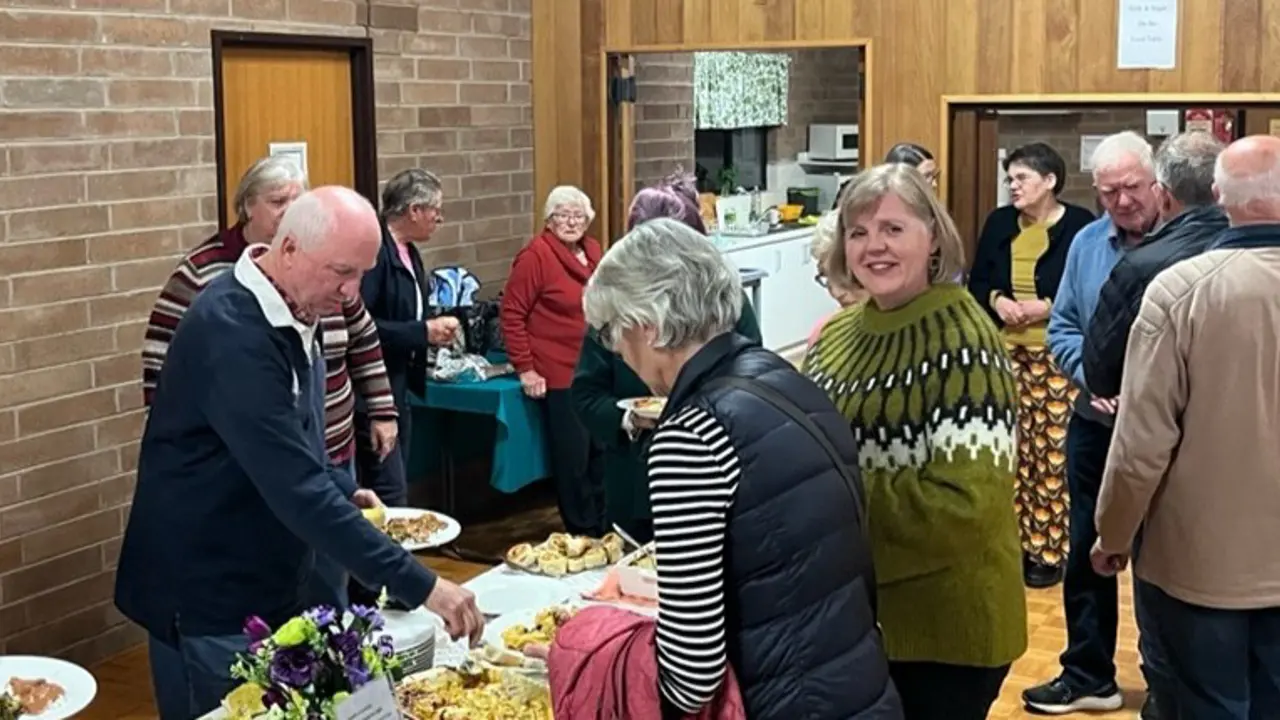
And so, this past weekend—May 31 to June 1, 2025—I returned to my country home. I went with a few members of Eastwood Uniting Church. When I woke up in the morning and saw that it was 2°C, I shivered and grumbled. But slowly, as the people gathered—my people—my heart warmed again.
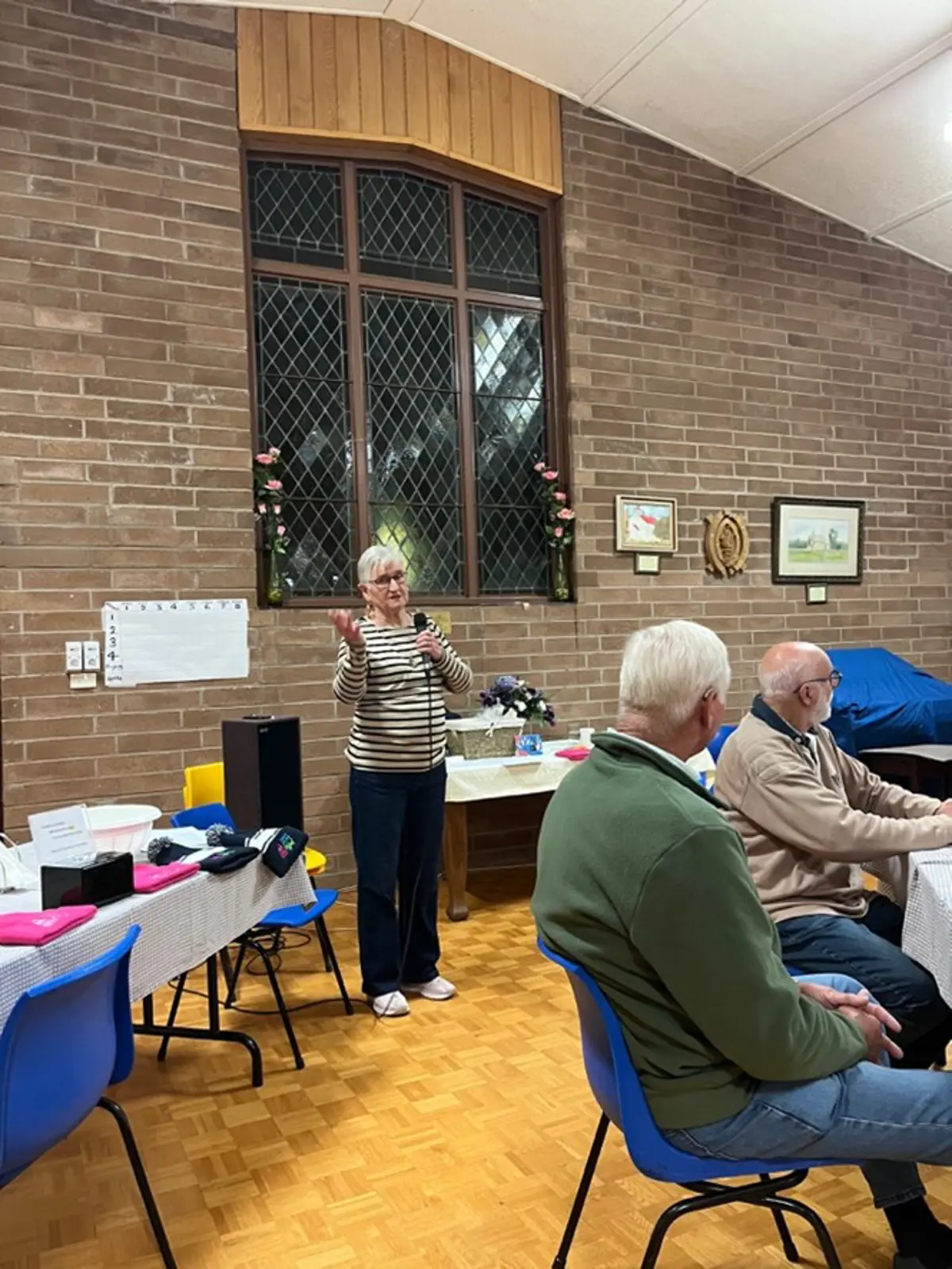
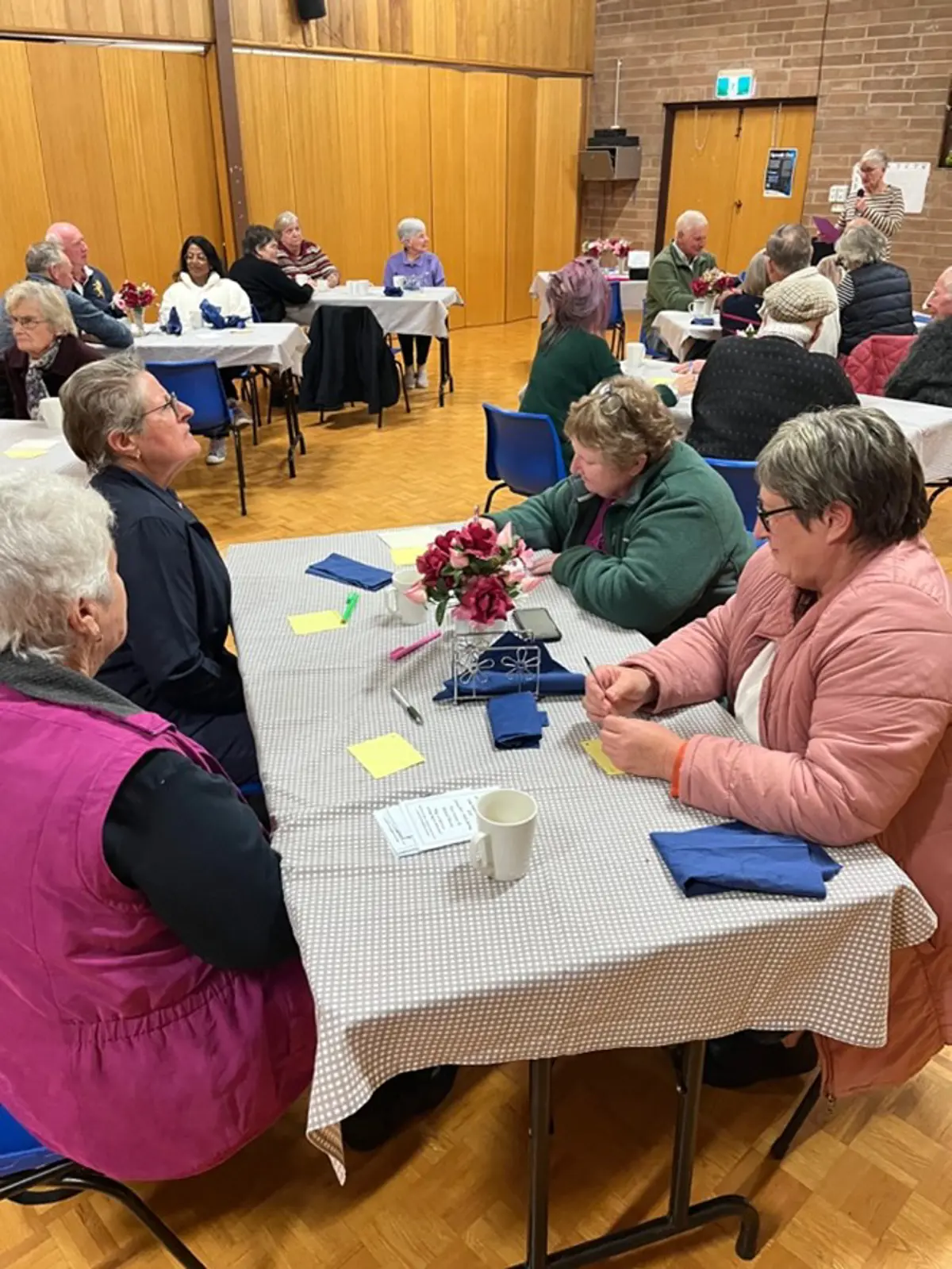
We shared a meal. A simple country-famers’ meal, but each dish was lovingly prepared by different families. I was full—not just in my stomach, but in spirit. And then we laughed and played games like grandchildren putting on a show for grandparents. We shared stories, clapped, smiled. My thick winter coat, so necessary in the Sydney cold, ended up hanging on the back of my chair.
Next day, Sunday morning, 9:30 am, we all gathered in that small church in Culcairn. I saw people I didn’t think I’d see again—those in hospital, those in aged care. The presbytery minister of Riverina was there too. Then we prayed. We sang. We read Scripture. We shared bread and the cup. We were the Church.
I had come with big plans, prepared announcements, detailed outlines. But none of that mattered in the end. What I received in love, in welcome, in presence was worth so much more.
In the summer of 2012, I had arrived in Henty and Culcairn full of ideas and ambition. But it was they who made me a pastor. They who made me more human.
On the drive back, I didn’t feel proud of anything I had accomplished. Just thankful. Deeply thankful.
Now I’m back in the city. But in my heart, I’m already counting the days until I return again—to my countryside, our country home. Henty and Culcairn. My place of peace. My place of grace. My place in them.
Rev. Seung Jae Yeon
Minister at Eastwood Uniting Church
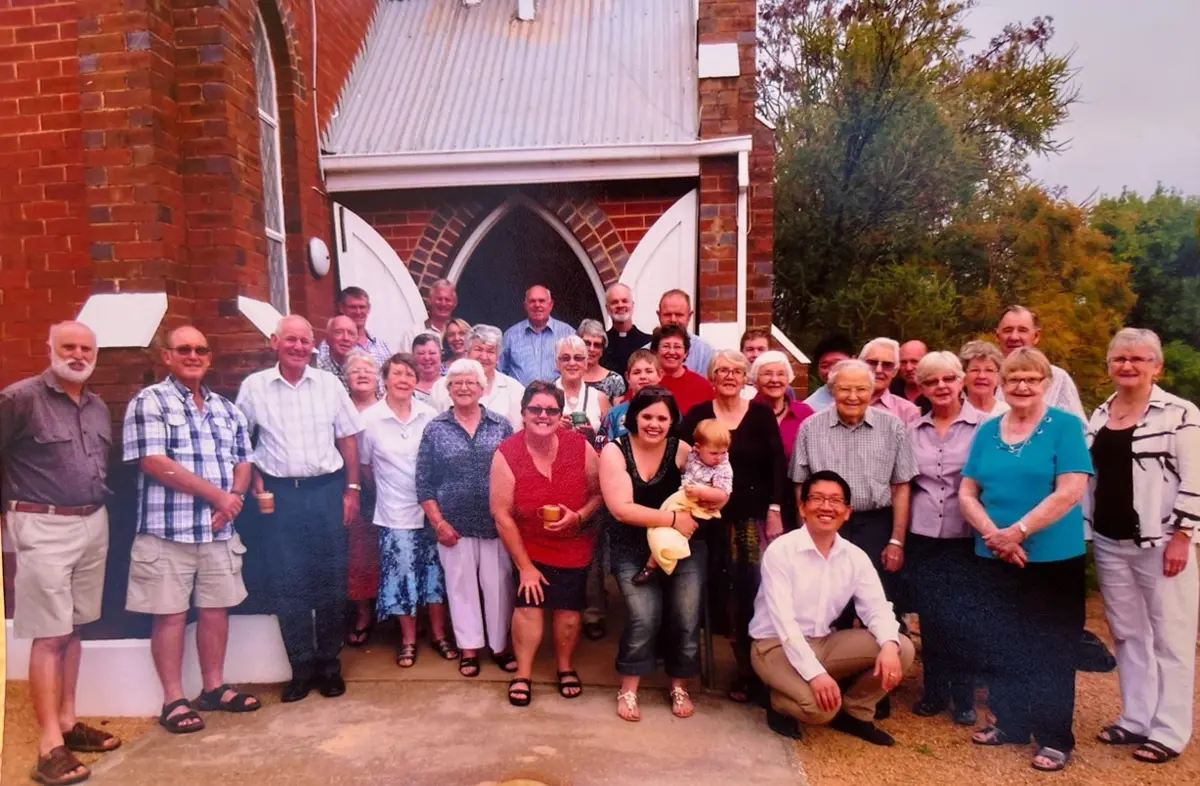
Rev. Seung Jae and the Henty-Culcairn UC, 6 January 2013
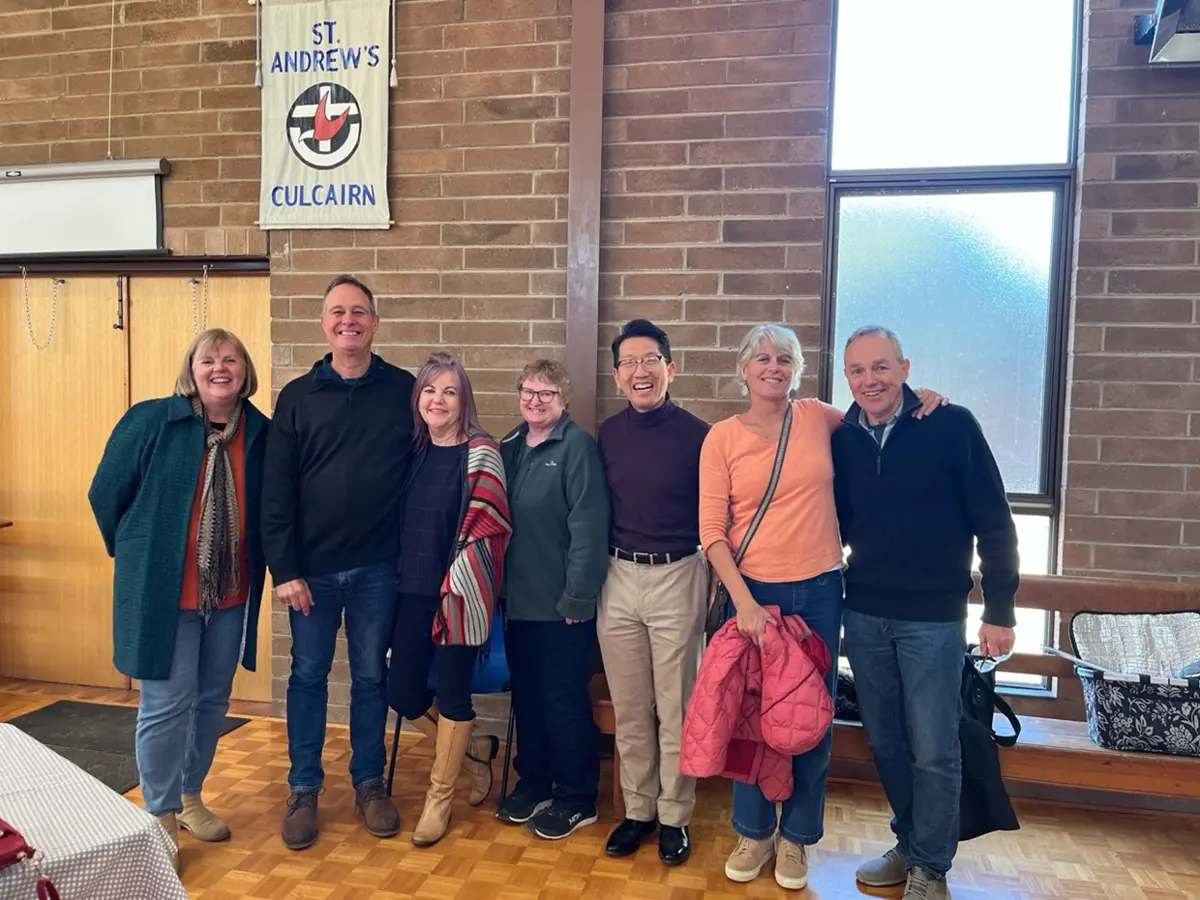
Rev. Seung Jae and The Eastwood Outreach Team at St. Andrew’s UC Culcairn, 1 June 2025