Enliven - Transforming Spirituality Through Creative Expression
The beautiful thing about gathering as creatives is not only hearing the joys and challenges of the journey but also discovering the innovative ways leaders are shaping their mission through the arts.
The beautiful thing about gathering as creatives is not only hearing the joys and challenges of the journey but also discovering the innovative ways leaders are shaping their mission through the arts. Each story of triumph and struggle reveals how artistry can transform spiritual practice, offering fresh perspectives and new solutions for engaging with communities in deeply meaningful ways.
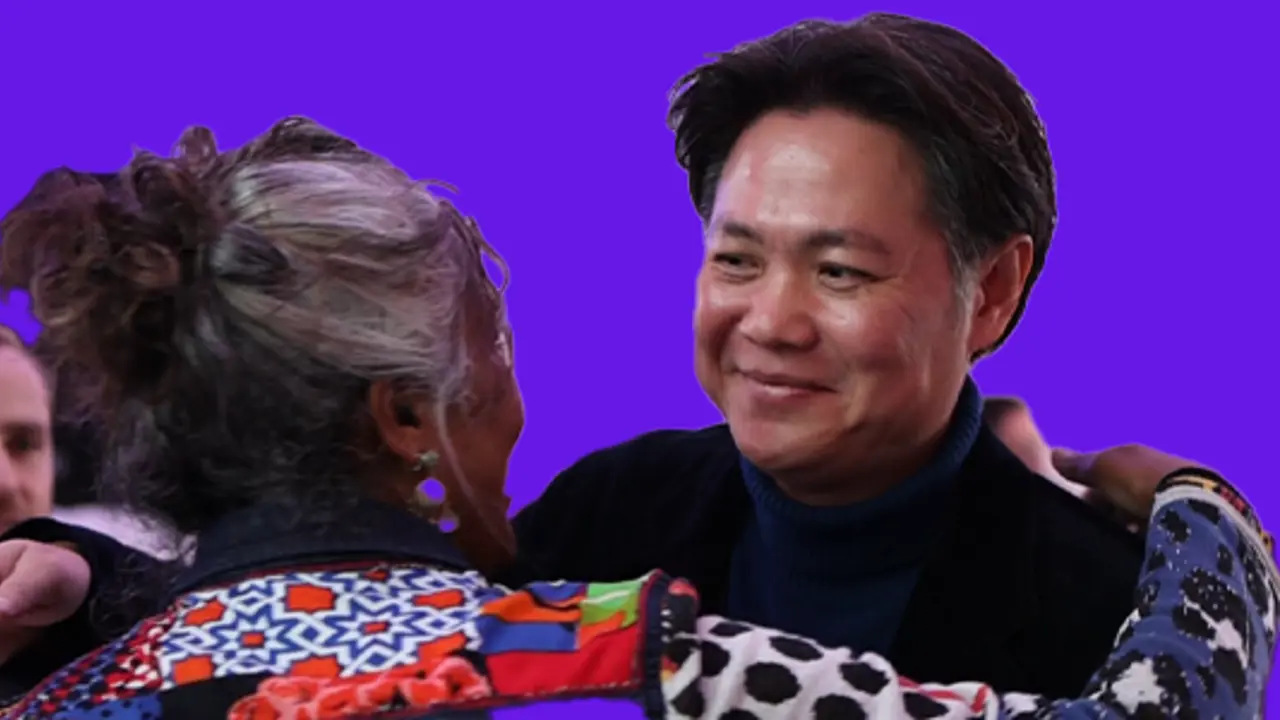
In this article, we hear from Rev. Myeongcheol John Oh about how the intersection of faith and creativity is transforming Mosman Uniting Church’s ministry.
Can you share specific examples of how visual arts, music, or performing arts is being used in the life of your community and church?
In our community at Mosman Uniting Church, visual arts, music, and performing arts play a significant role in our worship and outreach. As a minister, I believe that creativity is not just about what I can create but about fostering an environment where the people of God can rediscover who they are and who our God is through various forms of art.
We incorporate music across both traditional and contemporary styles in our worship services. I also bring dance into worship, particularly hip-hop dance, which has resonated with many, including high school students and refugee students I teach in the wider Uniting Churches. Beyond that, I offer free hip hop dance classes at our church, and I’ve been invited to share hip hop dance with a Parkinson’s dance company at a local senior centre, which has been a beautiful way to connect with the community.
The Parkinson’s Choir is another vital ministry. Every Thursday, our church opens its doors to people with Parkinson’s disease, offering them a chance to build community through music. This ministry has become a cherished part of our church life.
Photography also plays a key role in our ministry. Visual art like photography can often communicate and inspire in ways that words cannot. Additionally, we have a stop-motion ministry for children and young leaders, where we create Bible story videos for our first Sunday services. This creative process engages the younger generation in the narrative of our faith.
On the first Sunday of each month, we bake communion bread at the beginning of the service, which the children and mothers bring for the offering. This act of baking and breaking bread together is a form of performing arts that connects us deeply with the story of the feeding of the 5000.
I lead a bonsai arts ministry, which is a unique blend of visual art and pastoral care. Bonsai is not just a craft but a spiritual practice that fosters healing, prayers, and self-reflection. Through these creative expressions, we aim to make the worship experience more meaningful and to reach out to our community in diverse and impactful ways.
In what ways have you seen spiritual growth at the intersection of faith and creativity?
I've witnessed profound spiritual growth at the intersection of faith and creativity, particularly in how creative expression embeds the Bible's stories and teachings into our community's hearts and minds. For example, when the children in our church created a stop-motion video of the Easter story, they not only engaged deeply with the Holy Week narrative but also memorised the entire story and several Bible verses. This creative process helped them internalise the story in a way that mere listening or reading might not achieve. Whether through visual arts like stop motion or through music, creative ministry serves as a powerful tool for helping people remember and live out the messages they encounter. Music, for instance, isn't just about the joy of singing; it embeds the words, emotions, and spirituality of our faith into our daily lives. Creativity allows us to remember in different artistic ways, making the stories and teachings of our faith more accessible, memorable, and transformative. It goes beyond understanding, inviting people to actively participate in the story of faith and letting that story shape their lives.
What excites you about connecting with a wider network of creatives across our Synod? Why do you think it's important?
I’m excited about connecting with a wider network of creatives across our Synod because it reflects and values justice, equality, hope, peace, and love – core elements of our faith. This network isn’t just about sharing resources, but about recognising the inherent creativity in all of us, as we are made in the image of a creative God. Inspired by Genesis 1:1 “In the beginning when God created the heaven and earth,” I believe that connecting with other creatives allows us to live out the gospel in innovative ways, reinforcing our shared identity and strengthening our collective impact on our communities and beyond.