Bible Study: From Capital-Wealth Accumulation to Community Building and Transformation
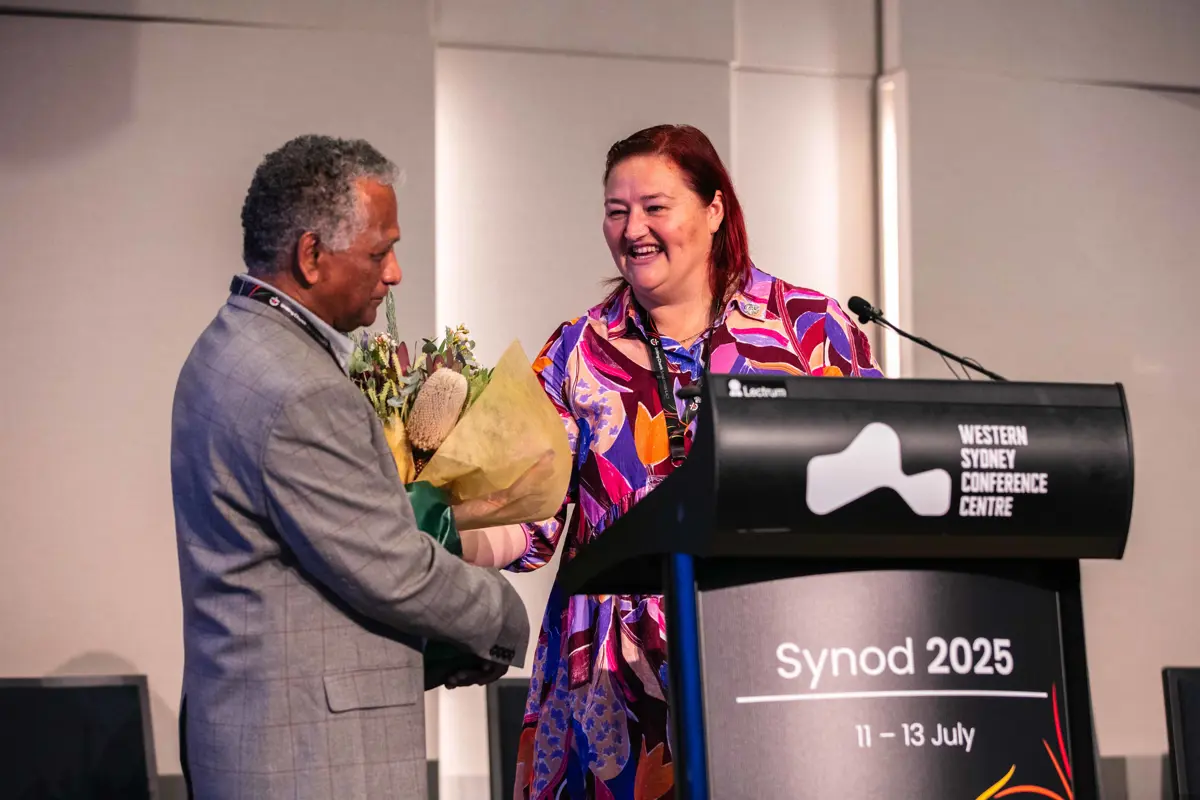
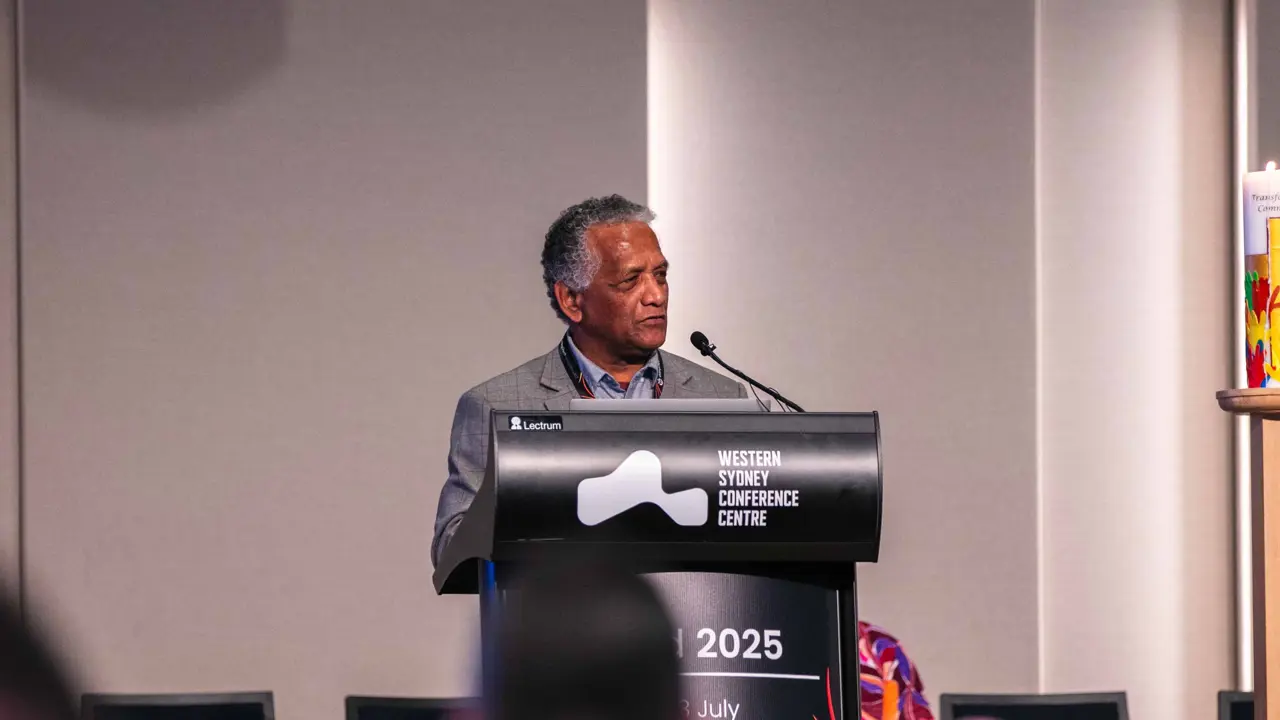
Bible Study on Luke 16:1–31 by Rev Dr Cliff Bird on Day 1 of Synod.
Bible Study on Luke 16:1–31 by Rev Dr Cliff Bird
At the heart of Luke 16, we encounter Jesus’ teachings on wealth, stewardship, and the radical call to reshape our economic and social relations. Rev Dr Cliff Bird’s study, From Capital-Wealth Accumulation to Community Building and Transformation, invites us to see these familiar passages not merely as lessons in personal ethics, but as a challenge to transform entire systems that perpetuate inequality.
Luke 16 is carefully structured around two parables and a set of teachings that together expose the economic injustices of Jesus’ time—and, by extension, our own. It begins and ends with stories of rich men: first, the parable of the shrewd manager (vv.1–8), and then the parable of the rich man and Lazarus (vv.19–31). Between these parables come teachings on faithful stewardship (vv.10–18).
Dr Bird unpacks four key groups in the narrative: the rich man, the steward, the tenants, and the largely silent community.
The Rich Man stands as an archetype of the upper ruling class in first-century Palestine. This class, about 10% of the population, controlled roughly two-thirds of the wealth. Their riches came largely from the labour and sacrifice of tenant farmers and peasants who worked their land. This dynamic of power, control, and exploitation still raises unsettling questions for us today: Who holds the power and resources in our churches and communities?
The Steward (or Manager) represents those who occupy the “in-between” spaces. Not quite of the ruling elite, yet separate from the peasant class, the steward’s role was to serve the interests of the landlord while negotiating with the tenants. This precarious position often demanded balancing empathy with duty. When accused of mismanagement, the steward’s creative response—reducing tenants’ debts—disrupts an unjust system and shifts resources toward the poor. His ingenuity subverts an exploitative order and, remarkably, earns praise from the rich man for acting wisely. Here, we are challenged to ask: Who today stands between power and vulnerability, and how might they help bring about change?
The Tenants (Peasants), who formed the vast majority—about 90% of society—are depicted as economically fragile, living with the constant threat of eviction and indebtedness. Though central to the story, they are often unseen or unheard, highlighting a recurring biblical and contemporary truth: those who have the least power often bear the greatest burden. The study prompts us to consider: In our communities and churches, who risks being excluded, unheard, or disadvantaged by our structures and decisions?
The Community, while largely silent in the text, becomes visible through the steward’s question: “What shall I do, so that people will welcome me into their houses?” This community of vulnerable tenants is transformed from being passive subjects of exploitation to active agents in a new, more just economic arrangement.
Dr Bird’s reflection calls us to see the steward’s actions not as mere personal cleverness, but as an act of subversion: redistributing wealth, questioning exploitative practices, and prioritising community well-being over individual gain.
The real challenge for us today, Dr Bird concludes, is to ask bold questions:
-
Which of our church systems, structures, or financial practices need to be changed or even subverted to better serve justice?
-
How might the wealth and resources of our Synod be used not to accumulate more, but to empower and transform communities?
-
How do we ensure that those who are silent or silenced in our churches are heard and included?
Luke 16 is not simply about shrewdness or charity—it is about courageously reshaping economic and social systems so they reflect God’s justice and compassion. In doing so, we move from a mindset of accumulation toward one of transformation and genuine community building.