Bible Study: A Neighbour Sees, and Shows Mercy
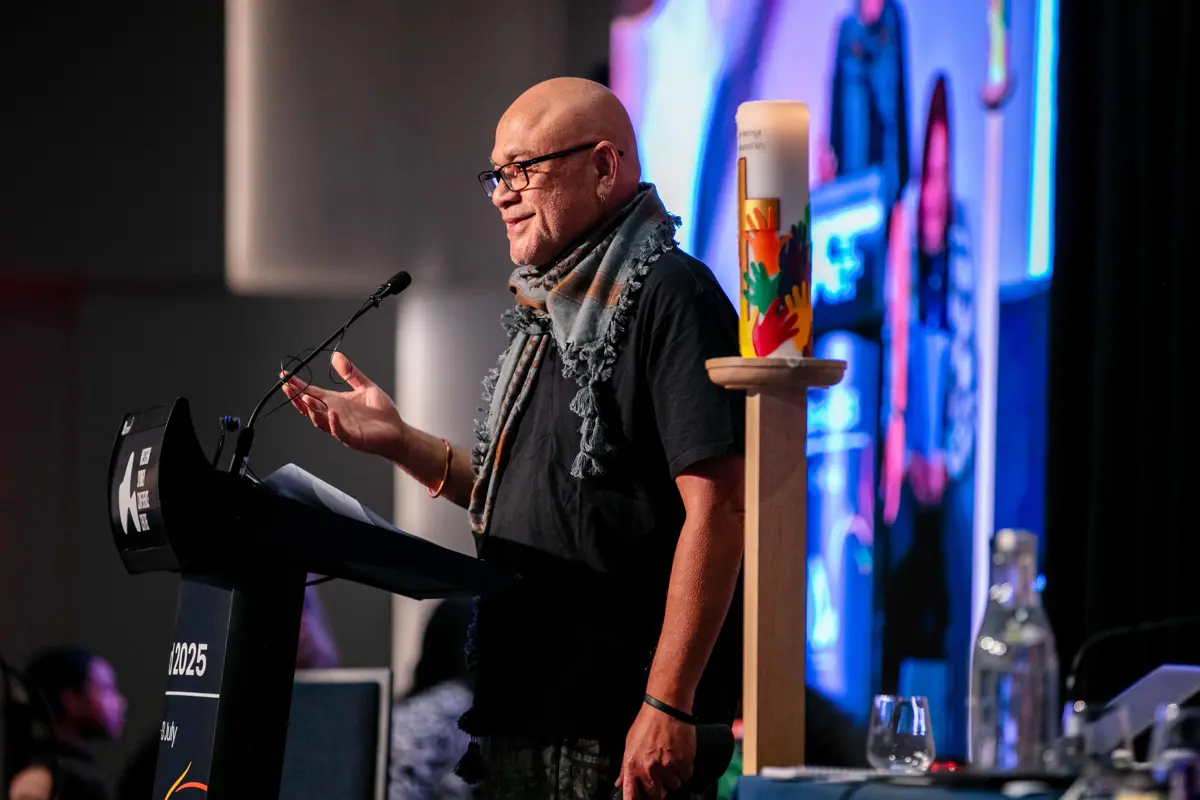
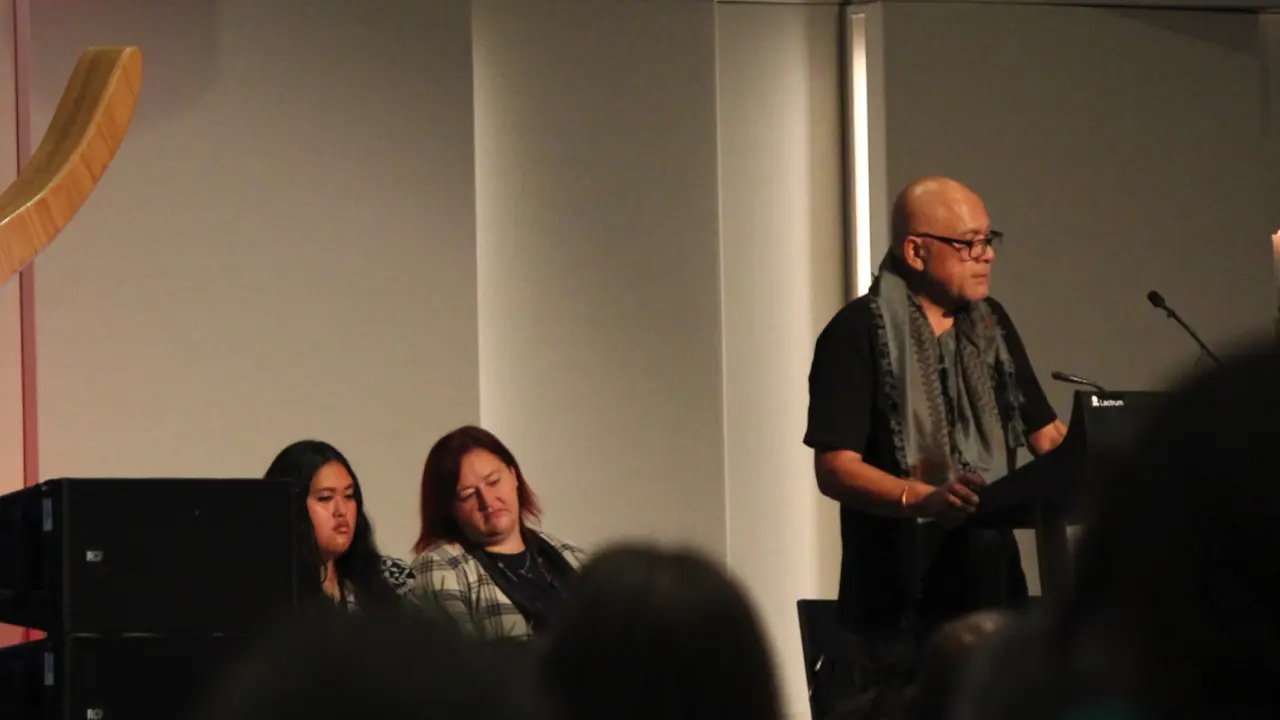
In his Bible Study on Day 2 of Synod titled A Neighbour Sees, and Shows Mercy, Rev Dr Jione Havea explores the text through fresh eyes, inviting us to rethink who we see as neighbours, how mercy is shown, and what this means in a world facing injustice and ecological crisis.
Bible Study on Luke 10:25–37 by Rev Dr Jione Havea
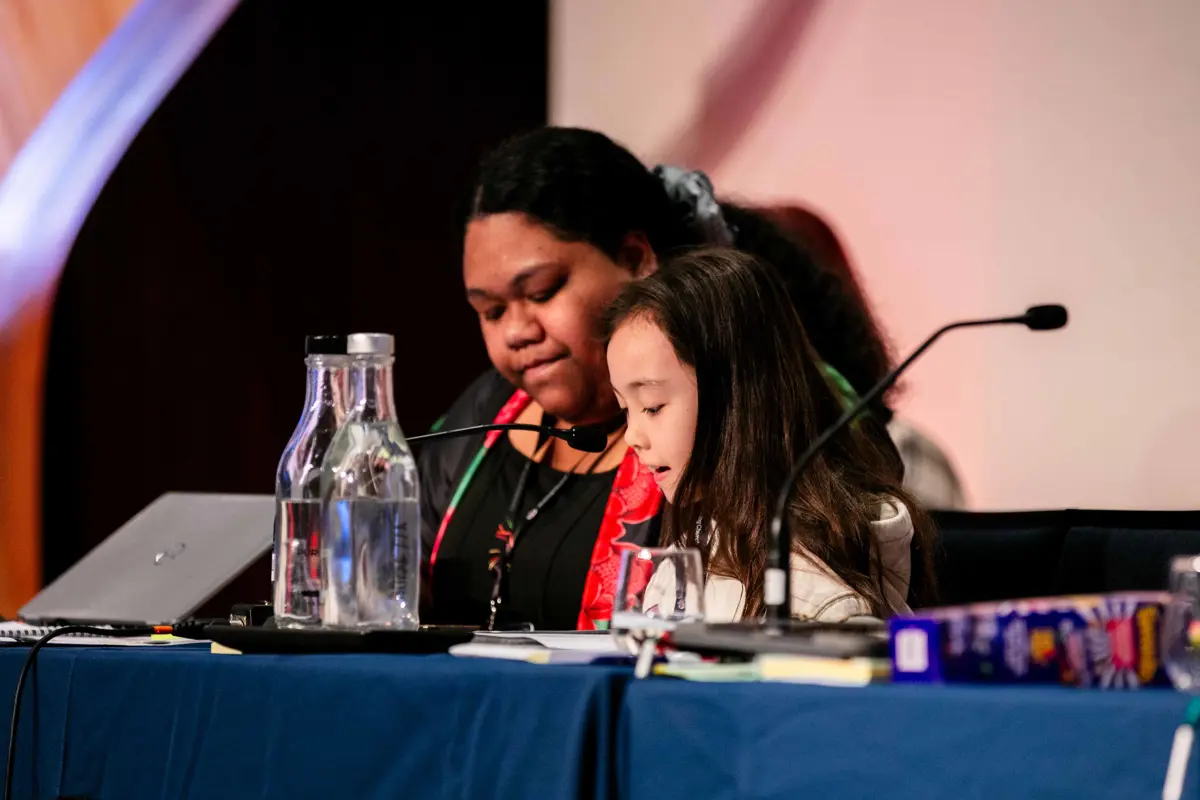
The parable of the Good Samaritan, found in Luke 10:25–37, is one of the most familiar teachings of Jesus—yet it remains deeply challenging today. The Bible Study session on Day 3 began with the parable being acted out in and around members of Synod, “embodying” the parable as they demonstrated the Good Samaritan.
In his reflections titled A Neighbour Sees, and Shows Mercy, Rev Dr Jione Havea explores the text through fresh eyes, inviting us to rethink who we see as neighbours, how mercy is shown, and what this means in a world facing injustice and ecological crisis.
At its heart, the parable is Jesus’ response to a legal expert who asks, “Who is my neighbour?” Jesus tells of a man robbed and left half-dead on the roadside. A priest sees him but passes by; a Levite also sees him and crosses over. Then a Samaritan—someone considered an outsider and even an enemy by Jesus’ Jewish audience—sees the wounded man, is moved with compassion, and takes action. He tends to the man’s wounds, takes him to an inn, pays for his care, and promises to return.
When Jesus finishes the story, he turns the question back to the legal expert: “Which of these three do you think was a neighbour?” The answer comes: “The one who showed him mercy.” Jesus’ reply is simple yet powerful: “Go and do likewise.”
Dr Havea reads this parable through the lens of the “see, judge, act” method found in liberation theology. All three passersby saw the wounded man—but only the Samaritan went further: he judged the situation with compassion and then acted to help. Being a neighbour, then, is not about proximity or identity; it is about the willingness to show mercy in concrete ways.
Yet Dr Havea pushes us to look even deeper. Who else, apart from the Samaritan, showed mercy to the wounded man? The innkeeper, though working for payment, cared for the man without demanding money upfront—showing trust and generosity. Even the animal that carried the injured man played a part in his healing, highlighting the interconnectedness of all creation.
Too often, readers focus solely on the Samaritan and overlook others in the story—including the wounded man himself. In today’s divided and “warring” world, the wounded—the poor, the displaced, and the Earth itself—are frequently neglected or silenced. The parable challenges us not just to admire the Samaritan’s compassion but to see and respond to those who suffer.
Dr Havea reminds us that Jesus’ teaching in this chapter links the love of God with the love of neighbour: “Love the Lord your God with all your heart, soul, strength, and mind—and love your neighbour as yourself.” The two cannot be separated.
From there, the reflection moves boldly to the climate crisis. Dr Havea, drawing on the insights of Maina Talia, invites us to widen our understanding of who our neighbours are. Beyond human communities, animals and the entire Earth are also our neighbours. Loving God, then, means loving the Earth—seeing its wounds, being moved, and acting to heal and protect it.
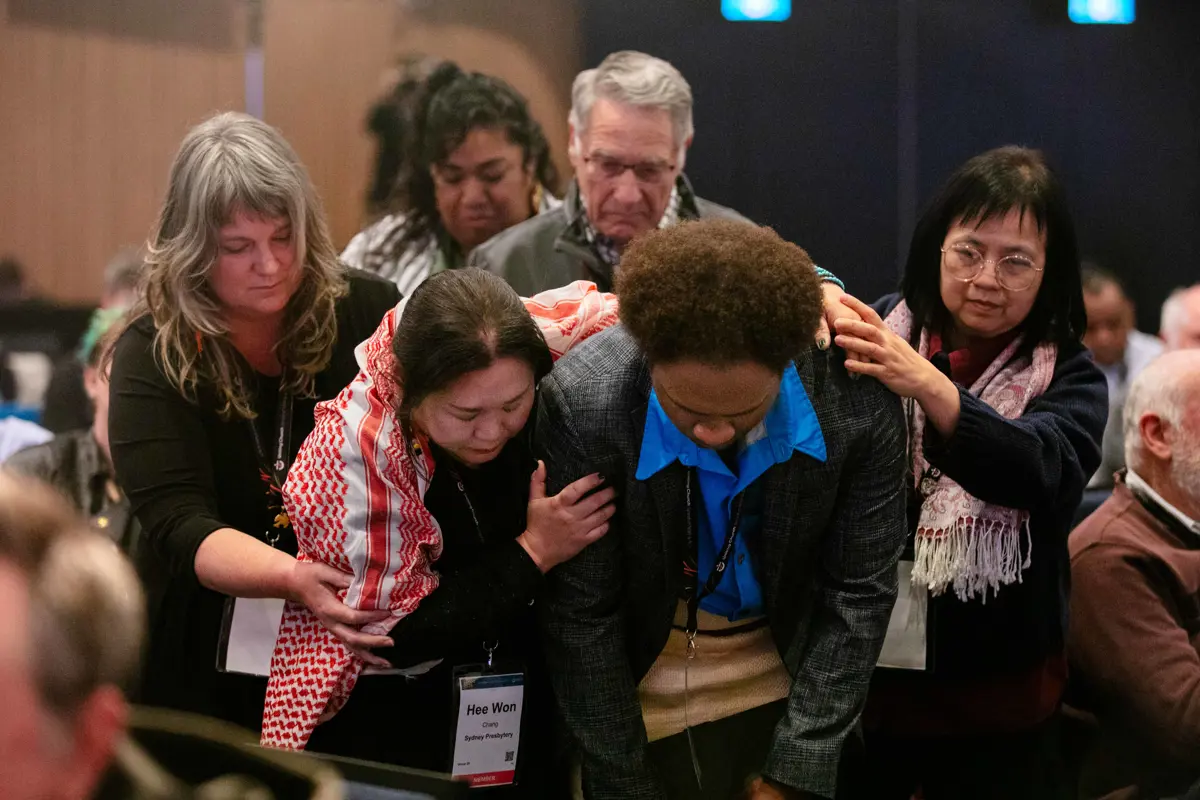
Heewon Chang offered personal reflections on the parable from the perspective of the wounded and Lolohea Funaki from the perspective the earth.
“Please allow yourself to see the donkey as a member of earth,” said Jione of the reflectors and characters in the story. “Allow yourself to see the robbers as members of earth, allow yourself to see the Samaritans as members of earth. If we see the characters as earthly beings, then we have a chance of seeing and healing earth, in this parable and in all texts.”
In the end, the parable of the Good Samaritan is more than a moral lesson about kindness. It is a radical call to transform how we see, judge, and act in the face of suffering, injustice, and ecological destruction. It challenges us to ask: Who do we overlook? Where do we cross the road rather than draw near? And how can we become neighbours who, like the Samaritan, truly see and show mercy?