A Sanctuary in the Storm: Manning Uniting’s Role in Recovery
In late May people around the state and beyond were stunned by the record floods that hit Taree and district, with images of people being plucked by helicopter from their rooves and balconies, amid widespread devastation after the Manning River rose metres during the night, separating Taree from its suburb of Cundletown across the Dawson River.
For ten weeks, from late May to the end of August, the Manning Uniting Church Centre in Taree served as a Disaster Recovery Centre.
In late May people around the state and beyond were stunned by the record floods that hit Taree and district, with images of people being plucked by helicopter from their rooves and balconies, amid widespread devastation after the Manning River rose metres during the night, separating Taree from its suburb of Cundletown across the Dawson River.
I received a phone call the next morning from a Cundletown resident pleading for help. Cundletown had become an island, cut off from all directions, with travellers evacuated from the riverbank campsite, truck drivers and some residents stranded with nowhere to seek refuge. Could I grant people access to the former church building, now a church community centre and garden? Fortunately, there is a key box on the outside wall, and I was able to give them the code so that they could get into the hall and kitchen.
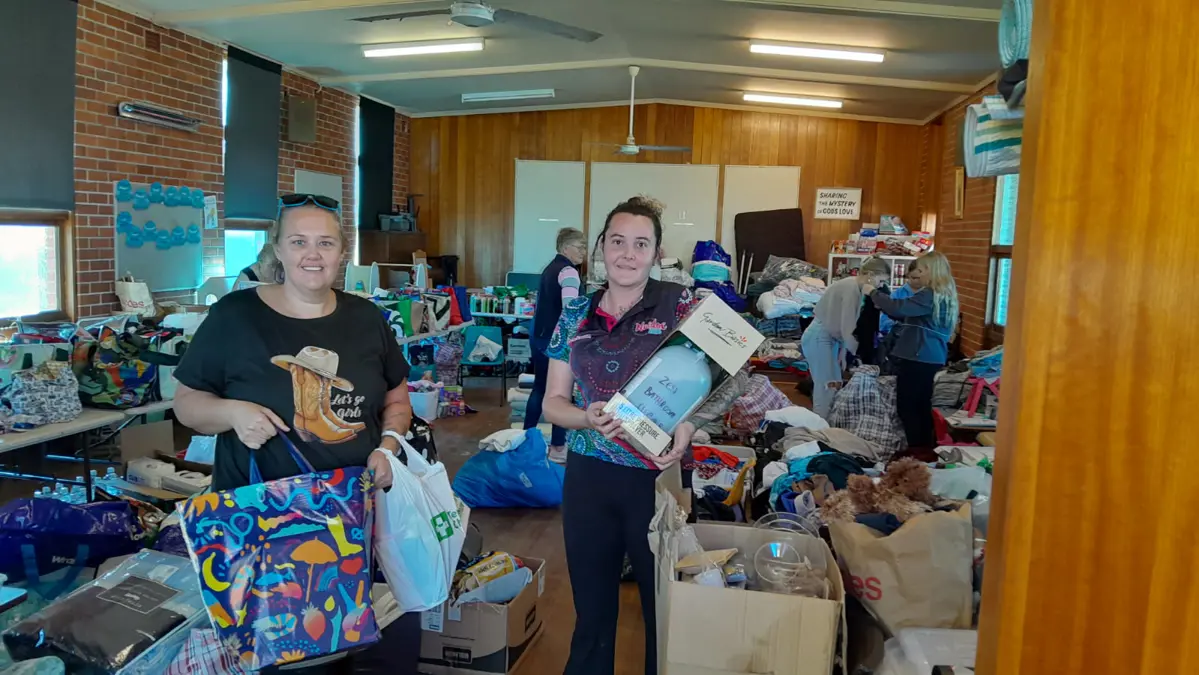
A group of locals then took over and started supplying food and cooking it. The building has a kitchen and toilets but no showers; truck drivers were able to take people to their change-of-drivers station on the edge of town, where there are showers. Donations flooded in, filling the hall. The canteen from the Anglican College at Cundletown donated all the stock they had.
Once the roads were open again, the makeshift local group kept on receiving and giving out donations of clothing, food and other essentials, while continuing to cook and taking the meals out to people in devastated villages and farms kept this up for over three weeks – and these were people with jobs and families. It was great to see community and church working together.
Meanwhile, back in Taree, I had a call from the NSW Restoration Authority asking if the Manning Uniting Church Centre could be used as a Disaster Recovery Centre. It is ideal for their purposes because it is right in the CBD and has an auditorium and a number of meeting rooms of various sizes. They moved in a couple of days later, taking over virtually the whole centre except for the church itself, bringing together in one place all the services that people needed to access.
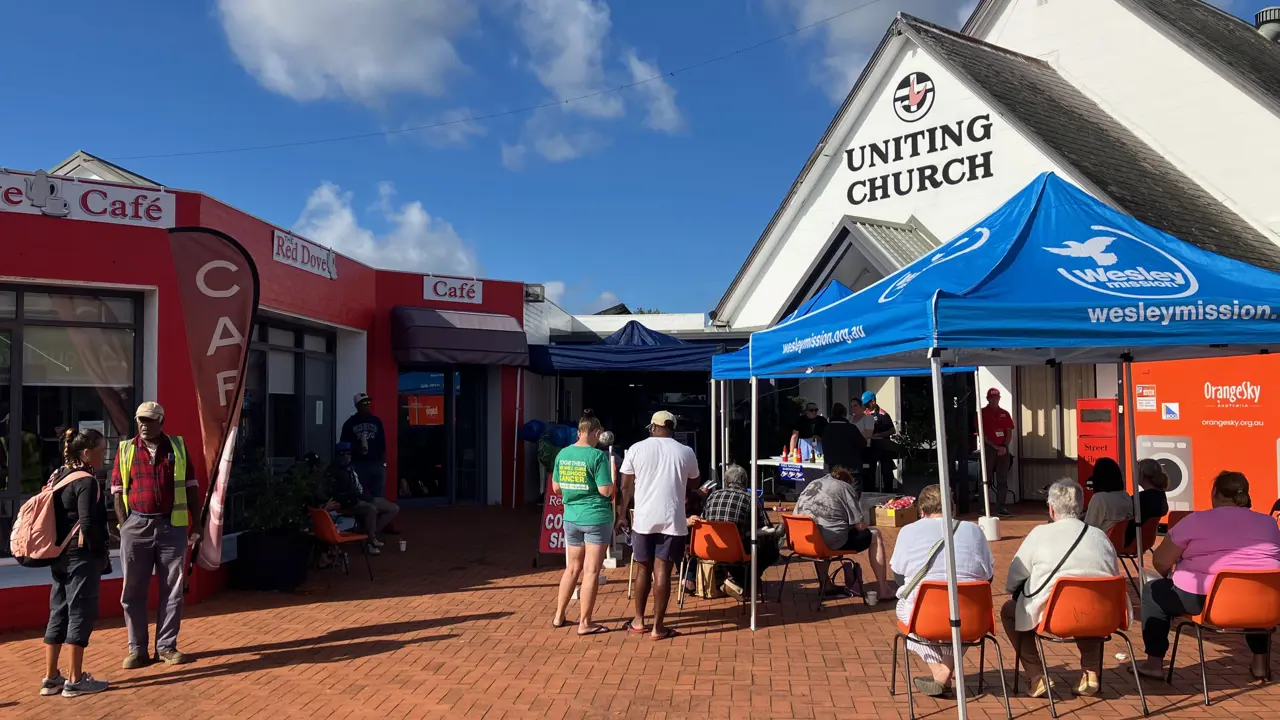
In the first two weeks, they were seeing over two hundred people a day. Wesley Mission, whose building is just across the car park, and with whom we regularly work, set up a sausage sizzle on the forecourt. A roster of Red Cross volunteers greeted people as they arrived, gave out tickets and moved them inside as their time came. Another roster of Disaster Recovery Chaplains was always on hand. Specialist Disaster Recovery personnel from various agencies, including mental health professionals, and representatives of insurance companies filled the auditorium – and, in the early weeks, rooms beyond as well.
This was not without its challenges. The MUC Centre is the main headquarters for U3A classes in the Manning region and is also used on various days during the week by Legal Aid, Public Trustee, AA and other local bodies. It is also a hub for welfare support on Friday mornings. All these things, as well as people just accessing the reception area and our Red Dove Café, were disrupted by the Recovery Centre, but the situation demanded that we cope with that. People were very understanding, and it was a time of really being church to the community.
I, and other church members, spent quite a bit of time in the early stages sitting and talking to people as they waited, hearing all sorts of stories of terrible loss but also of great resilience and mutual support. People were also able to support each other. And when they came out, they were full of praise for the warmth and understanding of the Disaster Recovery personnel. Lots of little personal thank you notes were stuck on the glass doors.
Numbers visiting the Centre gradually declined and for the last four weeks, only the auditorium was needed, with the other rooms again available for other purposes. Ove the ten weeks, approximately 4,450 visits were made to the Centre, with many people needing to come in more than once. It was, and still is, a very trying time, with whole families stuck in a motel room because there is no other accommodation. It has been marvellous for MUC to be able to play such a key role in supporting our community through this terrible time.
The church also hosted a Concert of Hope, which raised $4,000 towards flood relief.
John Dun, Chair of Manning Uniting Church Council
Support the DRCN
In times of disaster, stories like those from Manning remind us how vital it is to have people ready to listen, care, and walk alongside communities in crisis. The Disaster Recovery Chaplaincy Network (DRCN) brings together chaplains from across faith traditions in NSW and the ACT to provide this kind of compassionate presence wherever it is needed most. If you feel moved by John’s story and the ongoing work of DRCN, we invite you to learn more and consider supporting their ministry.
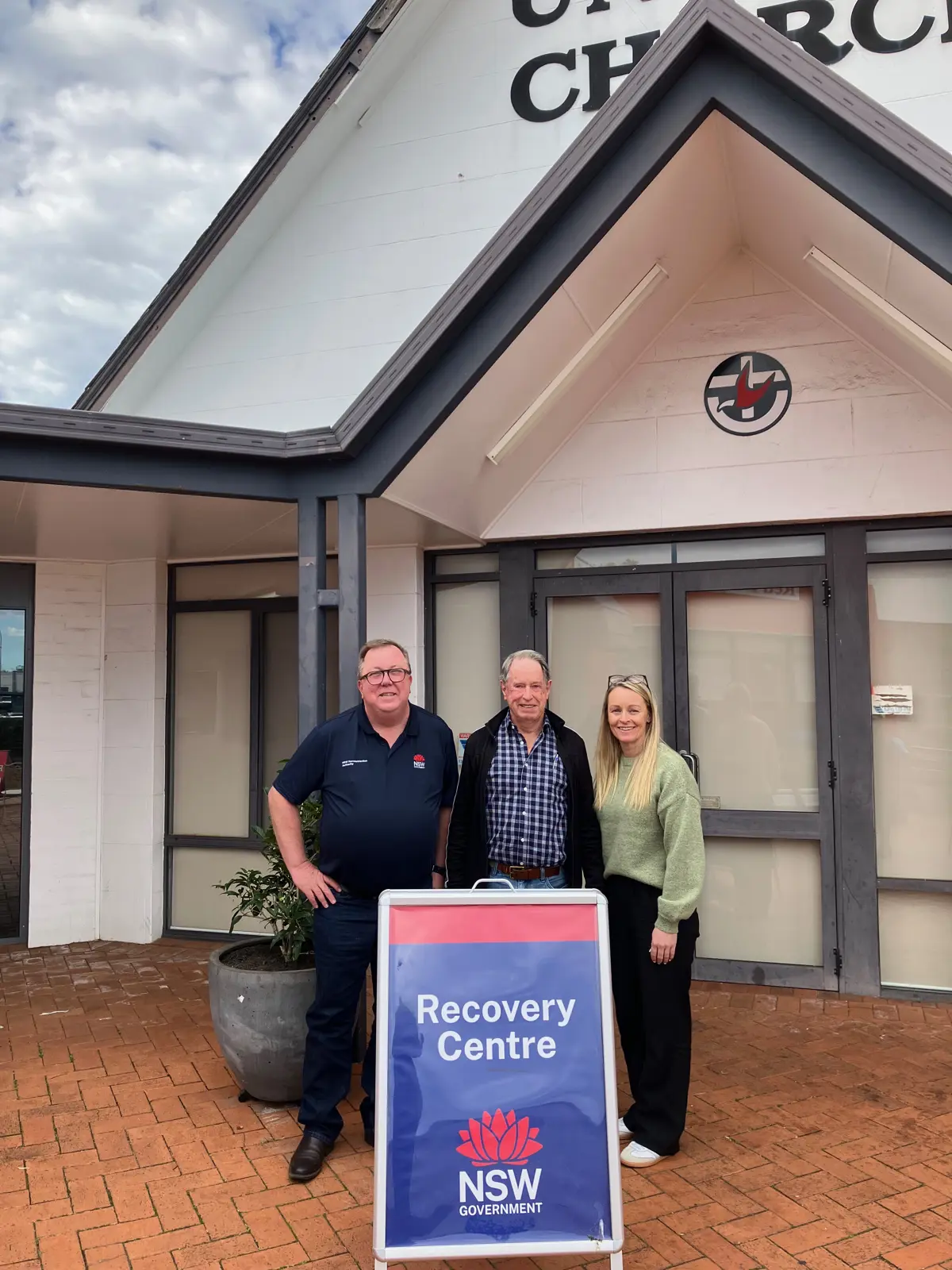
L-R: Andrew Rae, John Dun , Bec Paget
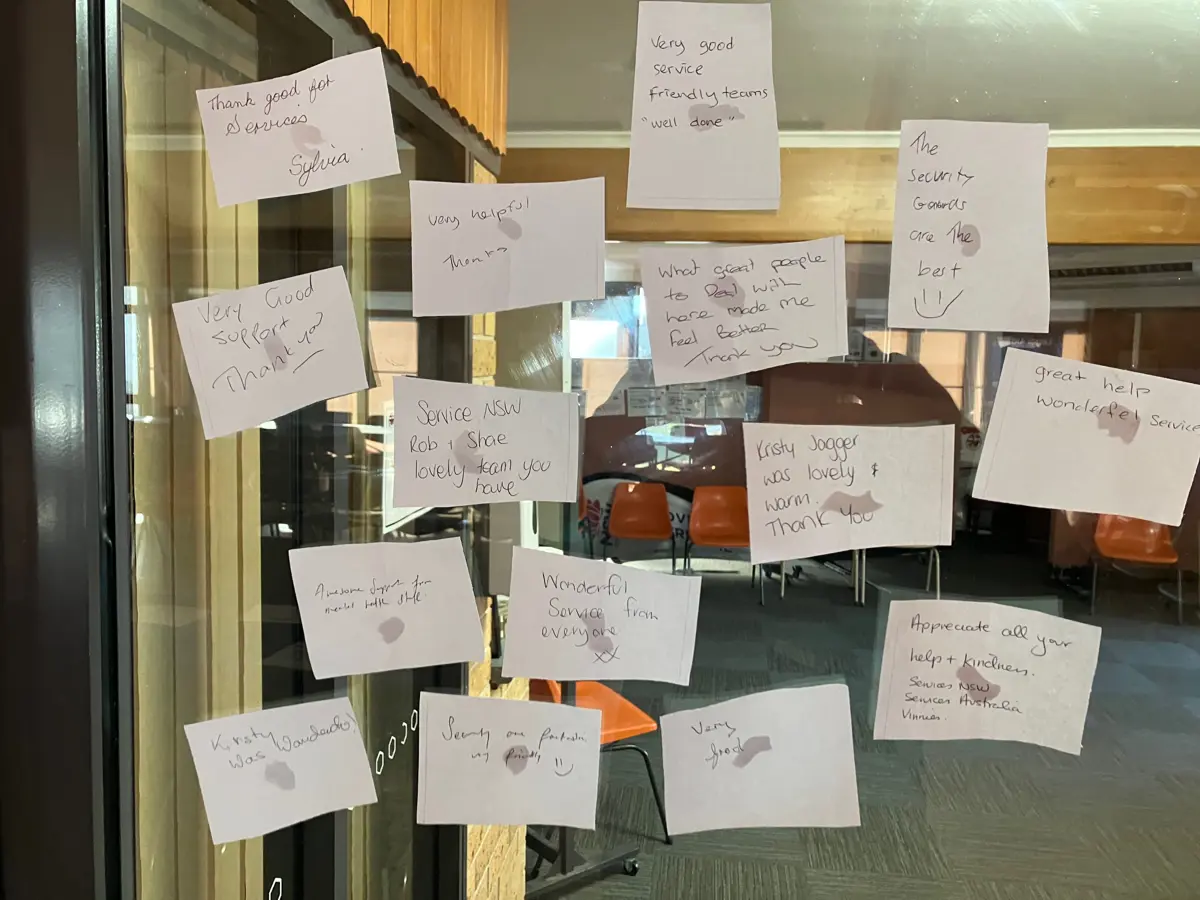
Handwritten thank you notes