
A Journey of Collaborative Transformation: Bringing the Presbytery Project Proposal to Synod 2025
After 18 months of faithful discernment, dialogue, and design, the landmark Presbytery Project Proposal is poised to be presented to the July 2025 Synod.
After 18 months of faithful discernment, dialogue, and design, the landmark Presbytery Project proposal is poised to be presented to the July 2025 Synod. This ambitious vision has been shaped not by top-down directives but by the organic and collaborative efforts of leaders, laypeople, congregations, and ministry agents across the breadth of the Uniting Church in NSW and the ACT. The journey to this point reflects a deep commitment to shared discernment and a transformative future for the Church.
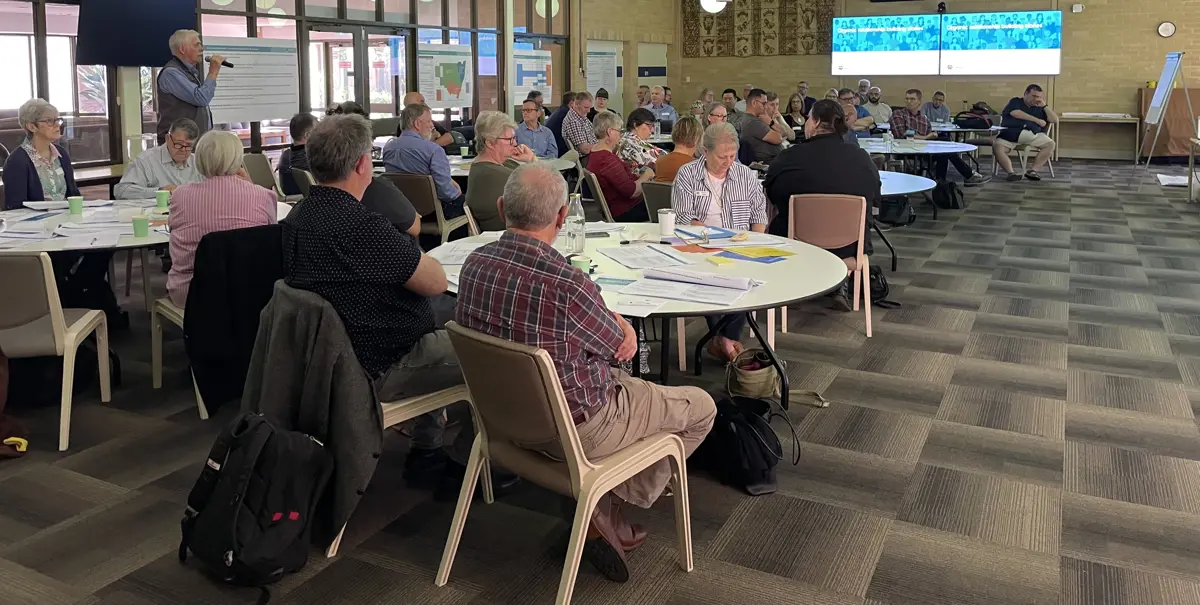
On April 5, the Transition Planning Summit marked a significant milestone in this journey. It was a gathering not only to refine the proposal, but to reflect the collective voice of the Church—a voice that has grown stronger and more unified with each Presbytery meeting, Zoom call, virtual town hall, and local conversation.
Throughout the process, a key question has remained: How do we move from Summit to Synod with integrity, clarity, and hope?
This Summit brought together leadership from across the Church in the culmination of a final meeting to form a plan and create space to discuss how the landmark Presbytery Project proposal will be shaped and delivered to Synod 2025.
As the General Secretary Rev. Jane Fry reminded the gathered leaders in her introduction: “More than structural reform, this moment reflects a spiritual turning point—one grounded in a deep commitment to discipleship, collaborative leadership, and an unwavering call to serve the world through faithful presence.”
“Rather than marking an endpoint, this Synod decision is being positioned as a launchpad for an expansive, Spirit-led journey.”
Central to this proposal is the conviction that systemic transformation must serve the core mission: to disciple, equip, and nurture congregations to be agents of change.
The General Secretary reminded the church that all operational efforts—staffing, governance, financial planning—must exist to support local congregations in worship, witness, and service.
From the beginning, discernment throughout the Presbytery Project has centred around relationship-building and mutual listening. Stories from the proposed Southern, Central, and Northern Presbyteries revealed creative and heartfelt engagement: from face-to-face gatherings to finance and property discussions, the momentum has been grassroots and Spirit-led. Importantly, these relationships are not being built in isolation; rather, they are laying the groundwork for a new, more connected, and responsive Presbytery structure.
The establishment of the Transition Commission (TC) is a critical next step. This will not be a symbolic committee, but a professional team empowered to implement the vision collaboratively, in partnership with Presbyteries and with accountability to the Synod Standing Committee. The TC’s work will include staffing transitions, governance design, finance and property systems, and placement frameworks. Their mission will be deeply informed by the voices of diverse congregations, with emphasis on lay involvement, cultural understanding, rural and urban representation, and youth perspectives.
“Rather than marking an endpoint, this Synod decision is being positioned as a launchpad for an expansive, Spirit-led journey.”
Guiding Principles for Transition
As we transition to new ways of working, our approach will be grounded in principles that keep congregations and communities central to all mission and decision-making. We will steward our shared resources for the common good, embracing simplicity and a forward-focused mindset.
Collaboration, communication, and connection are essential, alongside a commitment to learning and adapting as we go. Our staffing model will be progressively shaped to ensure it is distinctive, fit-for-purpose, and responsive—providing transitional leadership swiftly, increasing role consistency, and protecting ministry capacity in local contexts.
We aim to restore our ability to carry out mission, ministry, and administration through three distinct yet interconnected oversight teams. These will enable clearer support structures and shared accountability.
To work more effectively, we will reduce duplication and actively adopt technology and streamlined administrative systems. These tools will strengthen our capacity, free up energy for mission, and create more cohesive ways of working.
By following these guiding principles, we commit to a transition that is thoughtful, purposeful, and shaped by shared values—building a future that reflects both our calling and our communities' needs.
Spirit-Guided Transformation
What emerged clearly is the desire for a sustainable, Spirit-guided transformation that builds on what is already happening. Summit attendees recognised that organic cooperation is already unfolding—and the TC will be charged with building a bridge between the present and the future, supporting rather than replacing the work on the ground.
While the proposal is bold, it also reflects humility. It acknowledges that not all voices have yet been heard, and more conversations must take place before July. The Virtual Town Halls have already shown their value in this regard, with 90% of attendees warming to the proposal and many shifting from scepticism to support. The journey continues, with more intentional, inclusive dialogue still needed.
Key Actions on the Road to Synod:
- Engage Broadly and Deeply: A commitment to continue intentional conversations with congregations, especially those not yet engaged. Use multiple languages and platforms to reach diverse communities.
- Support Leaders: Equip ministry leaders to lead during transition through training, pastoral care, and clear communication of expectations and roles.
- Refine the Transition Commission: Finalise membership with skills-based, diverse representation. Include rural, youthful, and First Nations voices.
- Tell the Story Well: Prepare a compelling Synod presentation that shares the theological vision, organic growth, and the human impact of this change—through speeches, visuals, and stories.
- Monitor and Adapt: Build a 90-day iterative planning process for the Transition Commission and establish mechanisms for feedback and adaptation post-Synod.
- Uplift the Mission: Keep the focus on the end goal—equipping and empowering congregations for discipleship, worship, and witness in a changing world.
Through survey data, table discussions, and direct engagement, leadership is responding with a sharpened strategic focus. Staffing models are being refined with regional needs in mind. The Presbytery Resource Fund will help ensure that this transformation is resourced adequately and equitably.
What emerged from the Transition Planning Summit is a Church rediscovering its prophetic voice. As one prayer framed it, the church is being called away from slogans and divisions, and toward faithful discernment and courageous witness. With the proposal heading to Synod in July, the coming weeks are critical.
The church is being called away from slogans and divisions, and toward faithful discernment and courageous witness. With the proposal heading to Synod in July, the coming weeks are critical.
Next Steps
If the Presbytery Project proposal is adopted in July there are a number of significant dates to note that will be outlined in more detail in the Proposal brought to the Synod meeting:
- July 2025 – 3P decision and election of new Synod Standing Committee membership and the formation of the Transition Commission
- 22 June 2026 – Liturgical recognition of dissolution and formation
- 30 June 2026 – Dissolve existing Presbyteries, including Regional Partnership and inaugurate the three new Presbyteries
- Synod Meeting (April) 2027 – Celebrate the inauguration of new Presbyteries
Our collaborative best thinking around milestones discussed at the Transition Planning Summit will be documented in full in the final proposal.
Please keep an eye out for it on the Presbytery Project website and/or your Synod app if you are registered to attend Synod in July for the full details about the transition.
The Presbytery Project Proposal is a living invitation: to walk together with courage, faith, and grace into the Church we are called to become.
The Synod of NSW and ACT stands at the threshold of one of its most defining moments since Union. The Presbytery Project proposal is set to redefine the way the church lives out its mission.
This is not merely administrative change. It is the intentional reimagining of a Church ready to serve, ready to risk, and ready to be renewed.
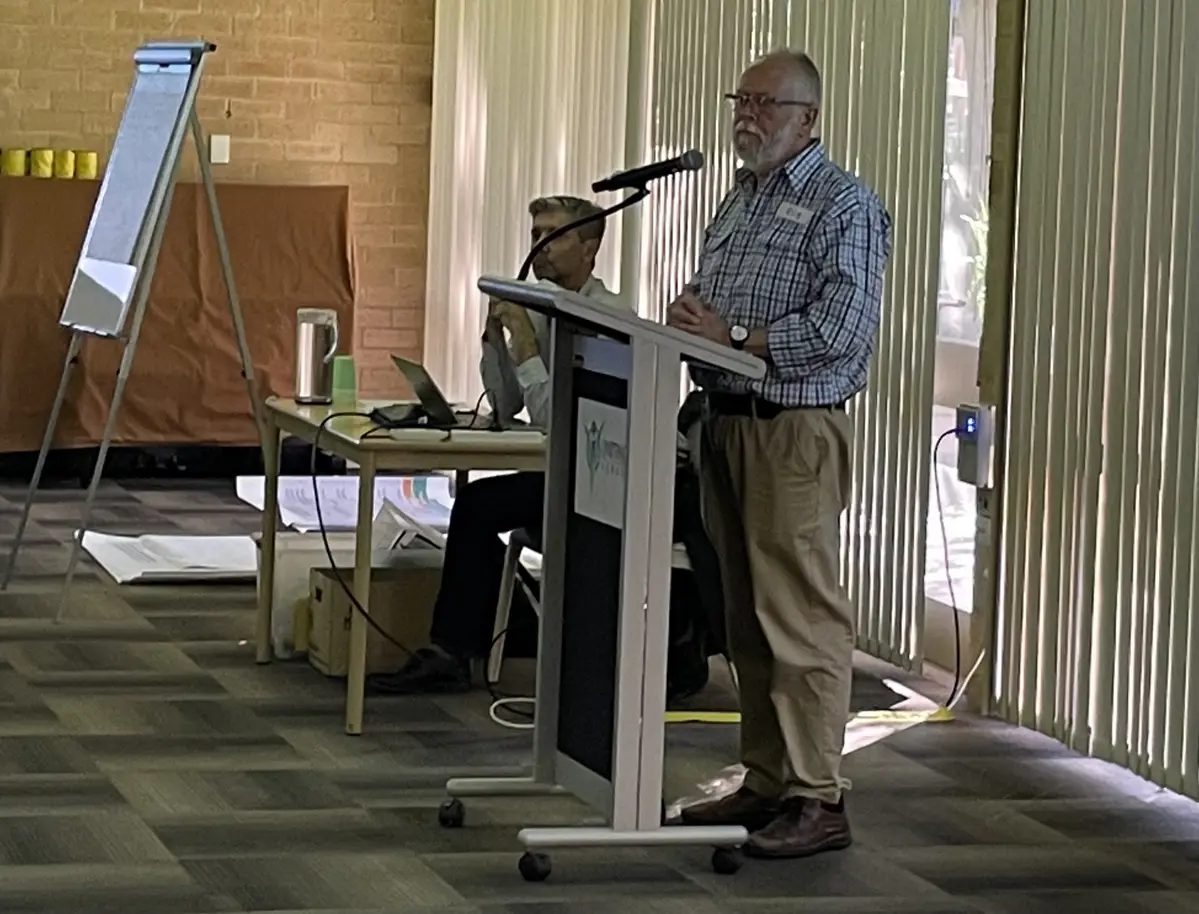
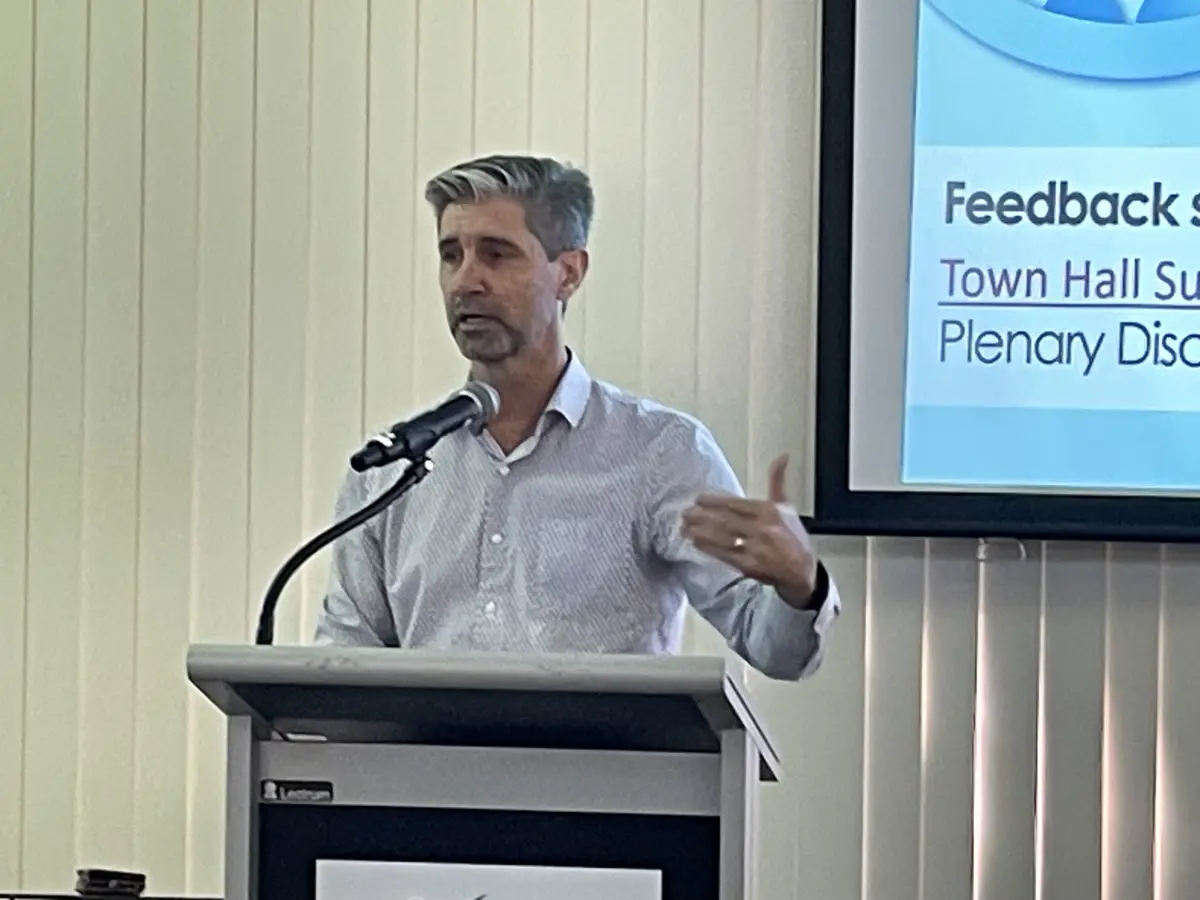
The Presbytery Project Proposal is a living invitation: to walk together with courage, faith, and grace into the Church we are called to become. The Synod of NSW and ACT stands at the threshold of one of its most defining moments since Union. The Presbytery Project proposal is set to redefine the way the church lives out its mission. This is not merely administrative change. It is the intentional reimagining of a Church ready to serve, ready to risk, and ready to be renewed.